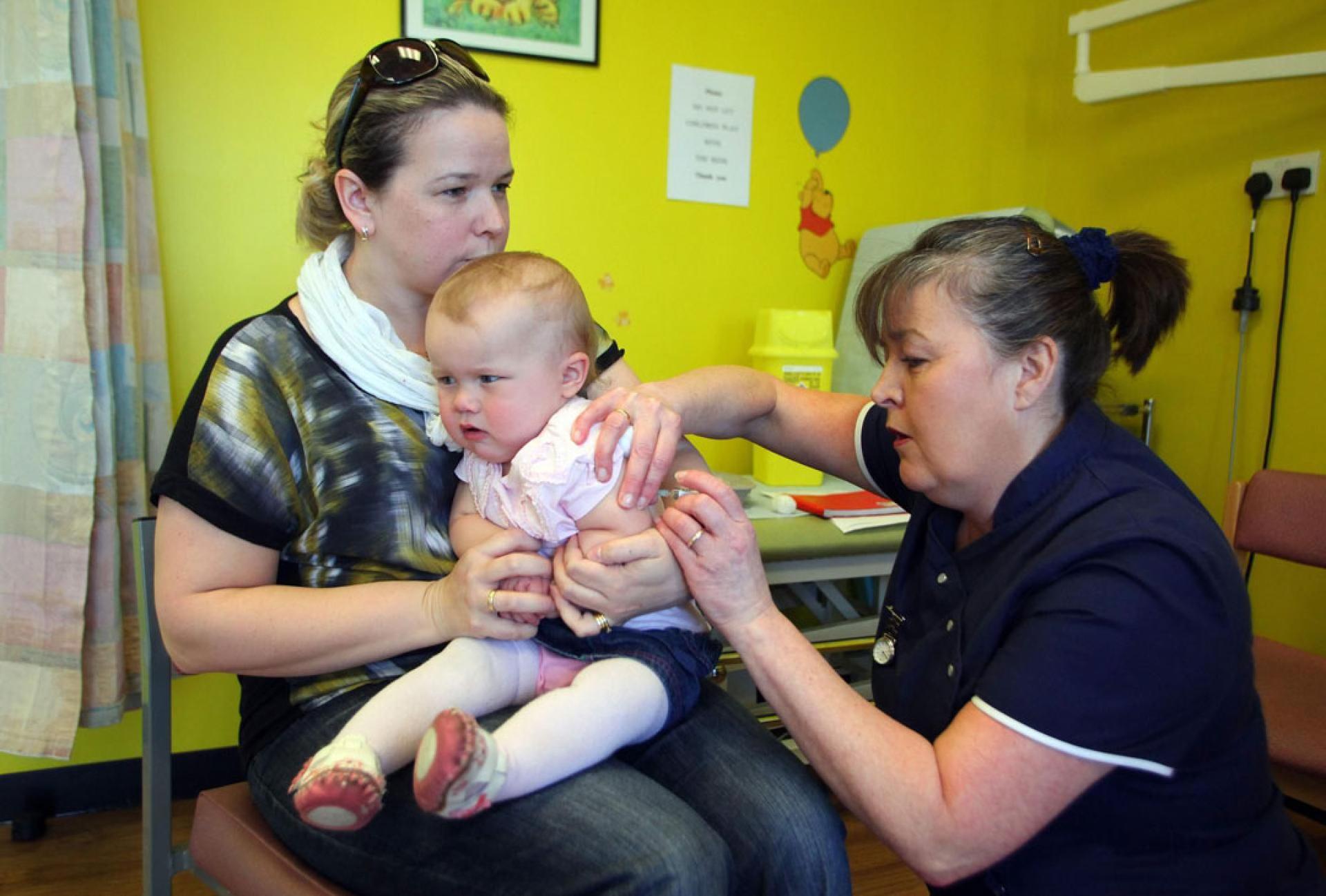
The World Health Organization confirmed on the 26th that it has revoked the measles 'elimination status' certification for the UK and other countries.
For a country to be recognized by the WHO as measles-free, there must be no cases of local transmission from the same virus strain for over 12 consecutive months. According to Reuters, in September last year, the WHO decided to revoke the measles 'elimination status' certification from some countries based on 2024 data, but only announced the information on the 26th after obtaining the consent of all the relevant countries.
In addition to the UK, Spain, Austria, Armenia, Azerbaijan, and Uzbekistan have also been found to have a reemergence of measles transmission, thereby losing the WHO measles 'elimination status' certification.
According to data released by the UK Health Security Agency on the 26th, the UK reported a total of 3,681 measles cases in 2024, and only about 84.4% of the population has received two doses of the measles and rubella vaccine. According to WHO recommendations, at least 95% of the population needs to have received two doses of the measles and rubella vaccine to control a measles outbreak.
Dabush, Assistant Professor of Global Health and Development at the London School of Hygiene & Tropical Medicine, said that it is not surprising the UK has lost its WHO measles 'elimination status' certification. The ongoing transmission of measles reflects a decade-long steady decline in routine vaccination coverage in the UK.
Measles is an acute eruptive respiratory infectious disease caused by the measles virus. It is extremely contagious, but can be prevented by vaccination. When vaccination coverage drops, measles is often one of the first diseases to rebound. Common symptoms of measles include high fever and rash, but it can also lead to severe long-term complications or even death.