28 dead penguins have been found on an island off the coast of Tasmania, Australia.
The Tasmania Department of Natural Resources and Environment said that on the 19th, a monitoring team discovered the bodies of 28 penguins and 3 crested terns on King Island, which is located about 100 kilometers northwest off the coast of Tasmania. Samples from the dead birds have been sent for testing to determine if they were infected with the H5N1 virus.
As of the 20th, there have been 11 confirmed cases of H5N1 avian influenza in Tasmania, all located in the northwest or on King Island.
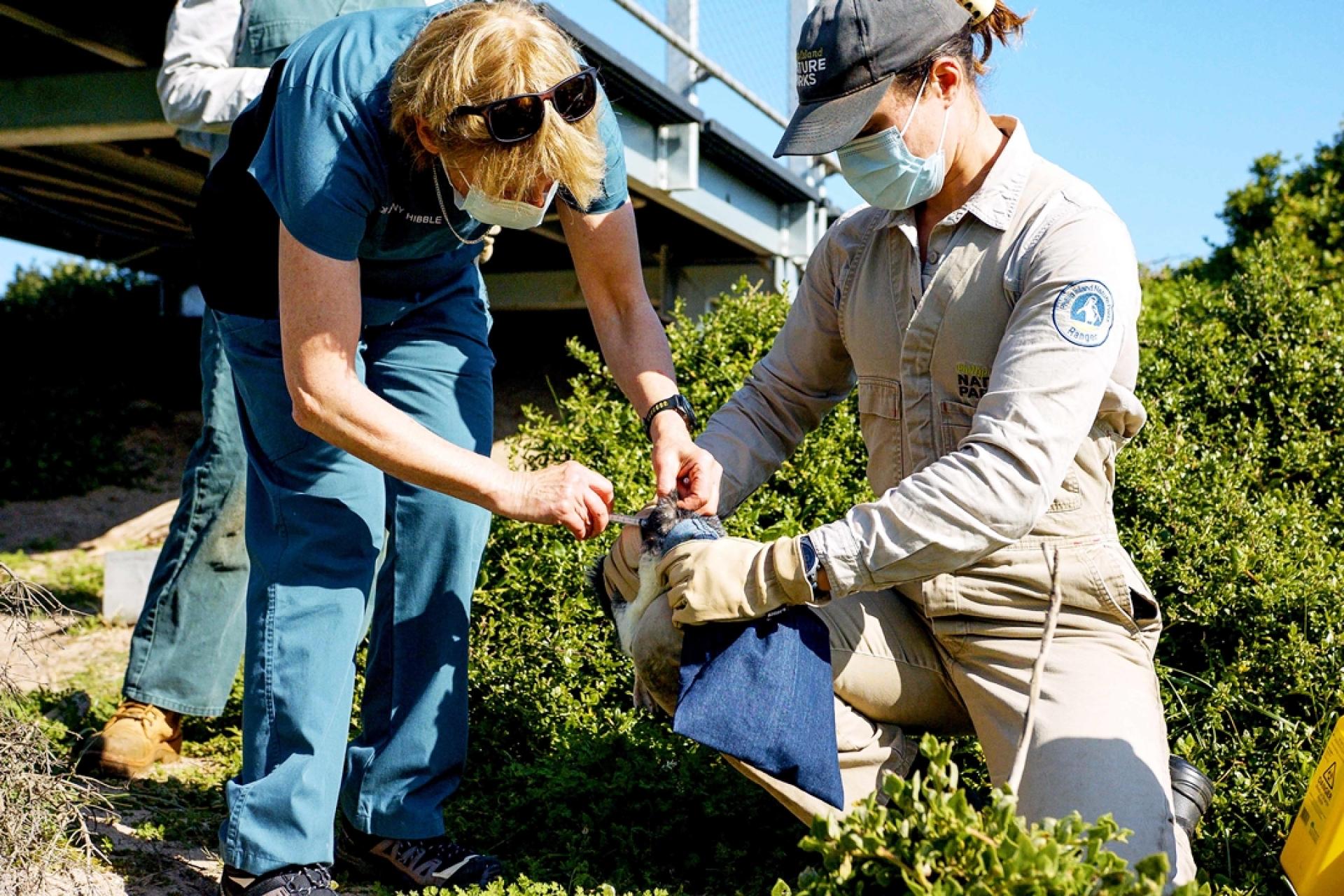
Meanwhile, Australian authorities have launched an unprecedented initiative to vaccinate wild little penguins to protect them against the highly contagious H5N1 bird flu virus.
Todd, Chief Biodiversity Officer of Victoria, said: “This is unprecedented. Nowhere else in the world has there ever been a mass vaccination of such a large wild animal population.”
He pointed out that vaccinating wild penguins is a challenge.
He said: “It’s almost impossible to try to vaccinate a population of wild animals, partly because the vaccine requires two doses.”
Todd indicated that the vaccination team can take the little penguins out of their nests, and may also try to enclose some penguins as they come ashore, using microchips to track those that have already been vaccinated.
Authorities said that the vaccination team plans to vaccinate around 5,000 little penguins closest to tourist activity areas. The entire program may last for several weeks or even months.
Every year, hundreds of thousands of tourists visit Phillip Island on Australia’s east coast, waiting in observation areas and on boardwalks to watch the little penguins come ashore and walk along the beach.
The little penguin (Little Penguin), also known as the fairy penguin, is the world’s smallest penguin species, standing only knee-high and weighing about as much as a standard bag of table sugar.