The Ministry of Human Resources will collaborate with the Ministry of Education to strengthen the development of the country's future talent, in line with the emphasis on productivity and talent development highlighted in the World Bank Report on the importance of these aspects in employment agenda.
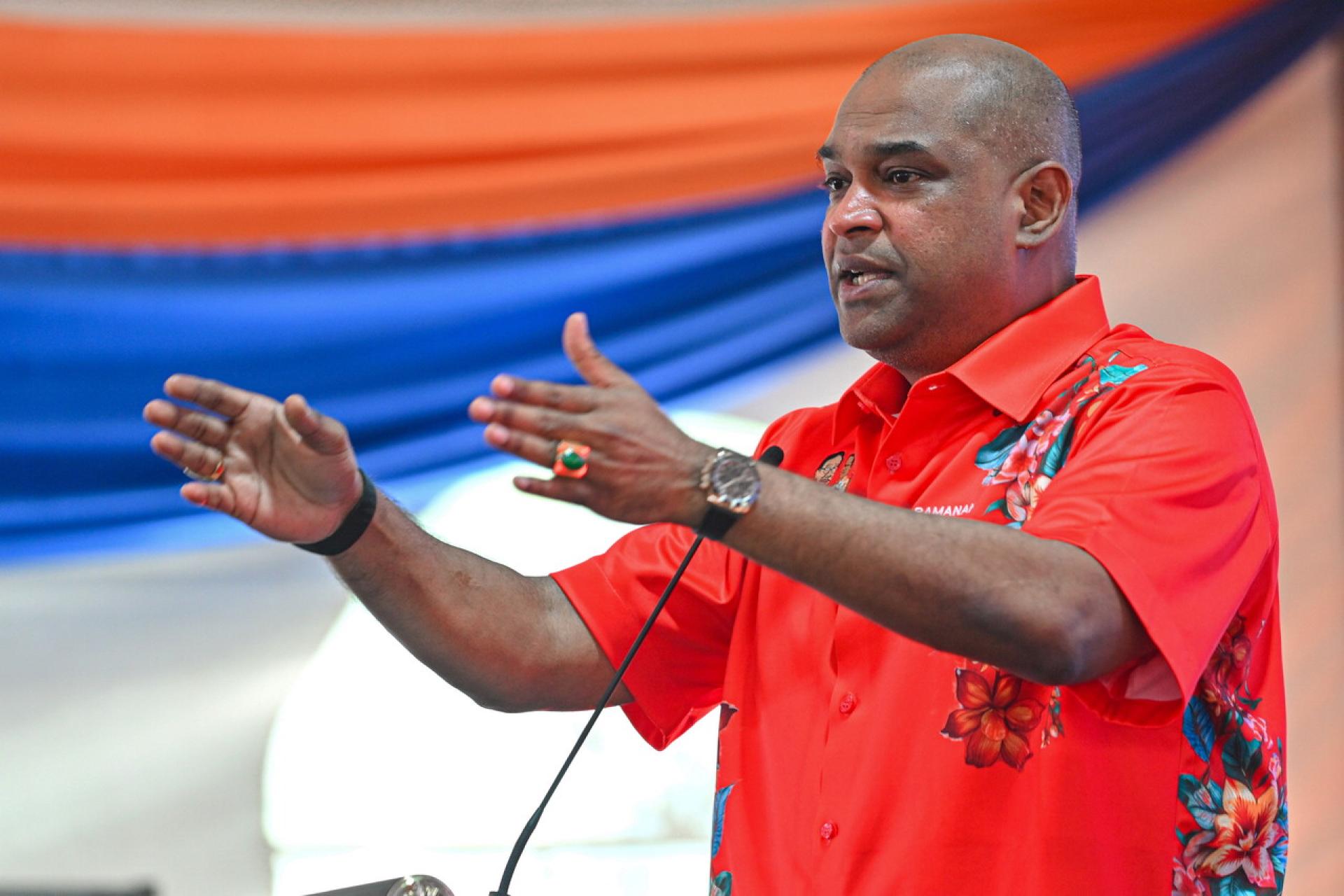
Human Resources Minister Datuk Seri Sivakumar said the collaboration covers guidance for students to engage early with future career development paths, including technical and vocational training, STEM (science, technology, engineering, and mathematics), digital, artificial intelligence (AI), and high-skill sectors.
He stated in a press release today (14th) that promoting this early exposure program can equip students with more comprehensive information before entering the workforce, thus enabling them to make wiser educational and career choices.
"The Human Resources Ministry will continue cross-ministerial collaborations and work with subsidiaries and industry strategy partners to ensure skill development, training, and talent intervention measures are more focused, flexible, and results-oriented."
"This includes enhancing job matching through MyFutureJobs, improving the employment capabilities of local talent, and helping more Malaysians secure higher-value and better-paying jobs."
Sivakumar said that the Ministry of Human Resources is paying close attention to the World Bank’s Malaysia Economic Monitor April 2026 report released today, titled "Raising the Ceiling, Lifting the Floor: Making the Jobs Agenda the Productivity Agenda."
He said the report emphasizes that the national employment agenda must be driven by productivity, talent development, and the creation of quality job opportunities to ensure Malaysia continues its journey toward a high-income economy.
"The report indicates that Malaysia's main challenge is no longer just job creation, but ensuring that the jobs created truly meet skills requirements, are productive, and can increase people's incomes."
"The report also stresses that investment in AI, digitalization, and high-value sectors must be supported by a skills ecosystem that is more responsive to industry needs, including TVET (technical and vocational education and training), lifelong learning, and more strategic use of labor market information."
Sivakumar mentioned that the findings of the report align with the Ministry’s commitment to ensure the national employment agenda moves towards quality job opportunities driven by skills, productivity, and more effective labor market matching.
"The World Bank report recognizes that talent development, AI readiness, and the accurate use of labor market information are critical elements to ensure Malaysia builds a more competitive workforce that can respond to economic and technological transformations."
"In line with the 13th Malaysia Plan, the Ministry of Human Resources will continue to strengthen the MyMahir ecosystem through its talent agencies, including the Future Skills Talent Council (FSTC), the application of Critical Occupations List (MyCOL) data, and the implementation of the AI Readiness Index (AIRI), to ensure national skills development better meets current and future industry needs."
The World Bank Report also recognizes the roles of MyMahir FSTC, the MyMahir platform, and MyCOL labor market information, as they help Malaysia establish a more responsive and industry-driven skills ecosystem.
Additionally, in the same press release, the Ministry of Human Resources stated that its departments and agencies will continue to play an important role in strengthening labor standards, occupational safety and health, industrial relations, technical and vocational training, and the development of national technical talent.
"This includes certification, the labor market, employment placement, wage improvement, social security, and providing support for employees affected by technological changes and economic uncertainties, in order to reduce skills mismatches and empower Malaysians to engage in higher productivity work."
"Upholding the principle that 'Prosperous Workers Are the Nation's Pillar,' the Ministry of Human Resources is committed to ensuring that national economic growth and productivity improvement translates to higher-quality jobs, more meaningful salaries, and fairer future opportunities for all citizens."