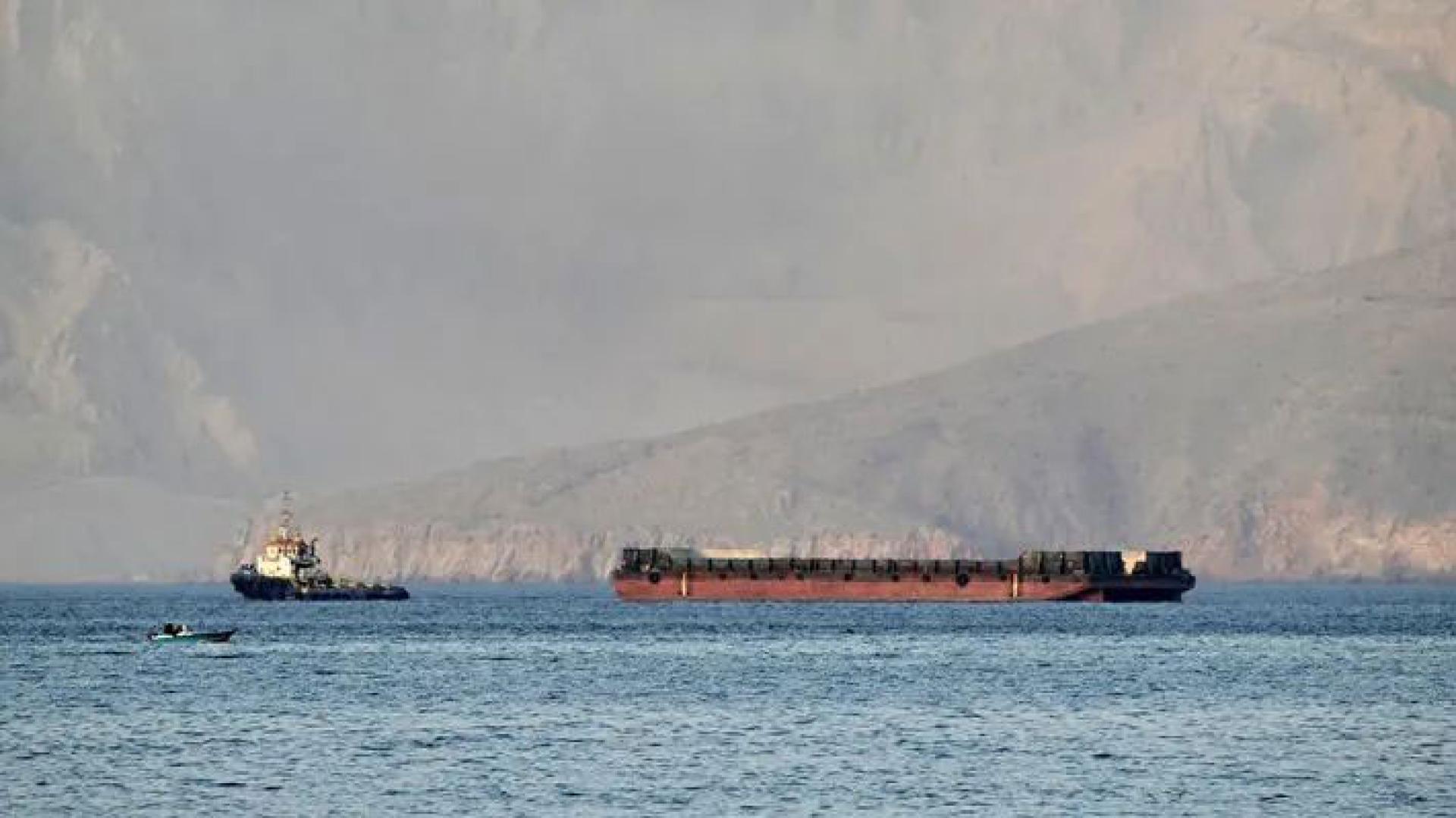
The UK's Lloyd's List reported on the 9th that, since the outbreak of regional conflict at the end of February, more than 160 major oil tankers remain stranded in the waters of the Persian Gulf, with the duration exceeding 100 days.
The report stated that although about a quarter of the oil tankers in the Persian Gulf left during the early stages of the conflict, the recent pace of departures has slowed significantly. The security risks in the area near the Strait of Hormuz remain extremely high, and most shipowners continue to exercise great caution, unwilling to rashly arrange for vessels to transit the relevant waters.
The Strait of Hormuz is one of the world’s key energy transportation corridors. Analysts pointed out that the ongoing security risks are affecting regional shipping activities and vessel operation decisions, with a large number of ships choosing to wait in relatively safe areas until the situation becomes clearer.
Meanwhile, on the 9th, Secretary-General Dominguez of the International Maritime Organization warned that seafarers should not be put at risk transiting the Strait of Hormuz for commercial interests.
He issued a statement expressing concern about some vessels attempting to pass through the Strait of Hormuz without credible security assurances.
He said the current regional situation remains highly volatile, lacking reliable security guarantees, and that “safe navigation cannot be assured at all.”
Dominguez emphasized that captains and shipping companies have the responsibility, based on international safety and security management frameworks, to fully assess voyage risks. No commercial or operational consideration should justify exposing seafarers to high risk—protecting the lives of seafarers must always be the top priority.