On the 28th, the U.S. Senate rejected in a procedural vote a resolution proposed by Democrats to limit the president’s war powers—an initiative aimed at preventing President Trump from launching military action against Cuba without congressional authorization.
The Senate, by a vote of 51 to 47, passed a procedural objection raised by Republican Senator Scott, thereby blocking the war powers resolution jointly proposed by three Democratic senators. The vote was nearly along party lines, with two Republican senators voting in favor of the Democrats’ resolution and one Democratic senator voting against it.
Scott argued that since the U.S. is currently not engaged in any hostile actions against Cuba, it is inappropriate to attempt to limit the president’s war powers.
He said, “The measure we are discussing is completely divorced from the actual situation in Cuba and has nothing to do with anything currently happening there. President Trump has never suggested sending ground troops to Cuba. Therefore, all these attempts are meaningless.”
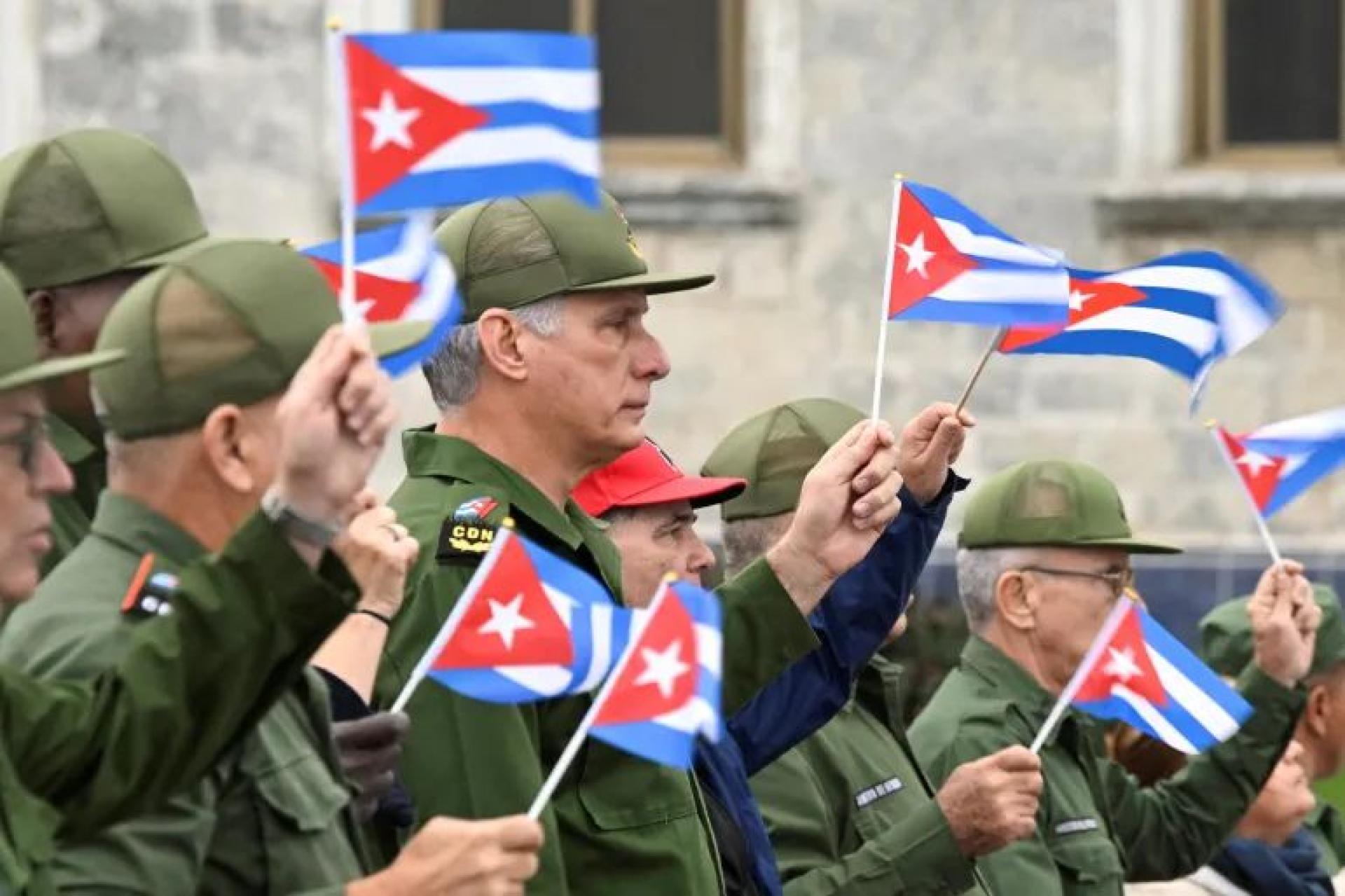
Democrats, on the other hand, emphasized the U.S. naval blockade of Cuba and Trump’s earlier comment that ‘Cuba is next.’
One of the main sponsors of the bill, Democratic Senator Kaine of Virginia, argued that U.S. actions to blockade Cuba’s energy supply constitute military action.
Earlier this year, after launching large-scale military strikes against Venezuela, the U.S. further ramped up pressure on Cuba, including a new round of oil restrictions. On January 29, Trump signed an executive order threatening to impose ad valorem tariffs on U.S.-bound goods from countries supplying oil to Cuba. On multiple occasions in March, he threatened that after completing military operations against Venezuela and Iran, “Cuba is next.”
According to the U.S. Constitution, only Congress can authorize acts of war. A law passed by the U.S. Congress in 1973 stipulates that only in cases of attacks against the United States or imminent threat causing a national emergency may the U.S. president undertake limited military action without congressional authorization.