On the 25th, CNN quoted data from the U.S. Geological Survey, reporting that the 7.5-magnitude earthquake in Venezuela is the strongest earthquake the South American country has experienced in more than a century.
On October 29, 1900, a 7.7-magnitude earthquake struck the waters near Miranda State, north of Caracas, resulting in at least 140 deaths.
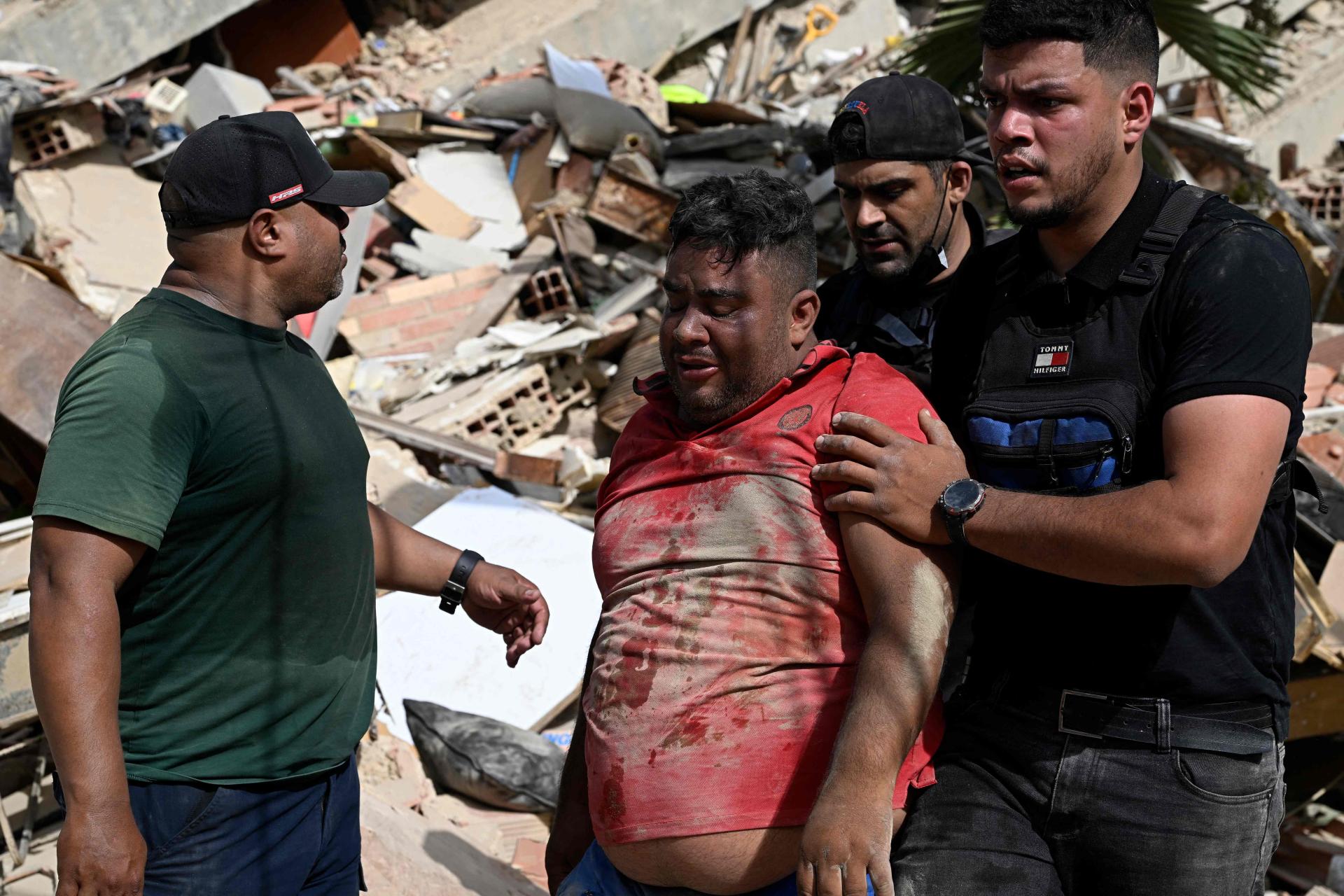
The disaster area most heavily hit, Vargas State, has suffered tragic devastation. Multiple high-rise buildings near the state's port region have collapsed, and tsunamis triggered by the quake flooded parts of the local roads.
In one city in Vargas State, residents listened helplessly for hours as a young girl called for help.
48-year-old resident Rizzo said: "We need manpower... We need military personnel to help, so we can rescue her."
According to local residents speaking to AFP, the girl unfortunately died not long after.
Elsewhere in Vargas State, people could also hear voices from three people trapped beneath the rubble.
Resident Bermudez said: "They are still alive... but we are powerless. We don't have any tools, we simply can't perform a rescue."
Analysts pointed out that this earthquake was a highly destructive shallow-focus event with repeated aftershocks. The epicenter is very close to central Caracas, which has a high population density. Additionally, shallow-focus earthquakes mean more seismic energy is released at the surface. Double shocks and frequent aftershocks increase the risk of secondary collapses in damaged structures, leading to higher secondary disaster risks and aggravating overall destruction.
In the past half-century, Venezuela has not experienced a strong earthquake, so public disaster awareness is weak. In addition, due to U.S. sanctions, the country's infrastructure is old and severely dilapidated, and building structures have poor earthquake resistance. For decades, urban infrastructure has largely remained stagnant, raising concerns that this earthquake could bring heavy casualties to the country.