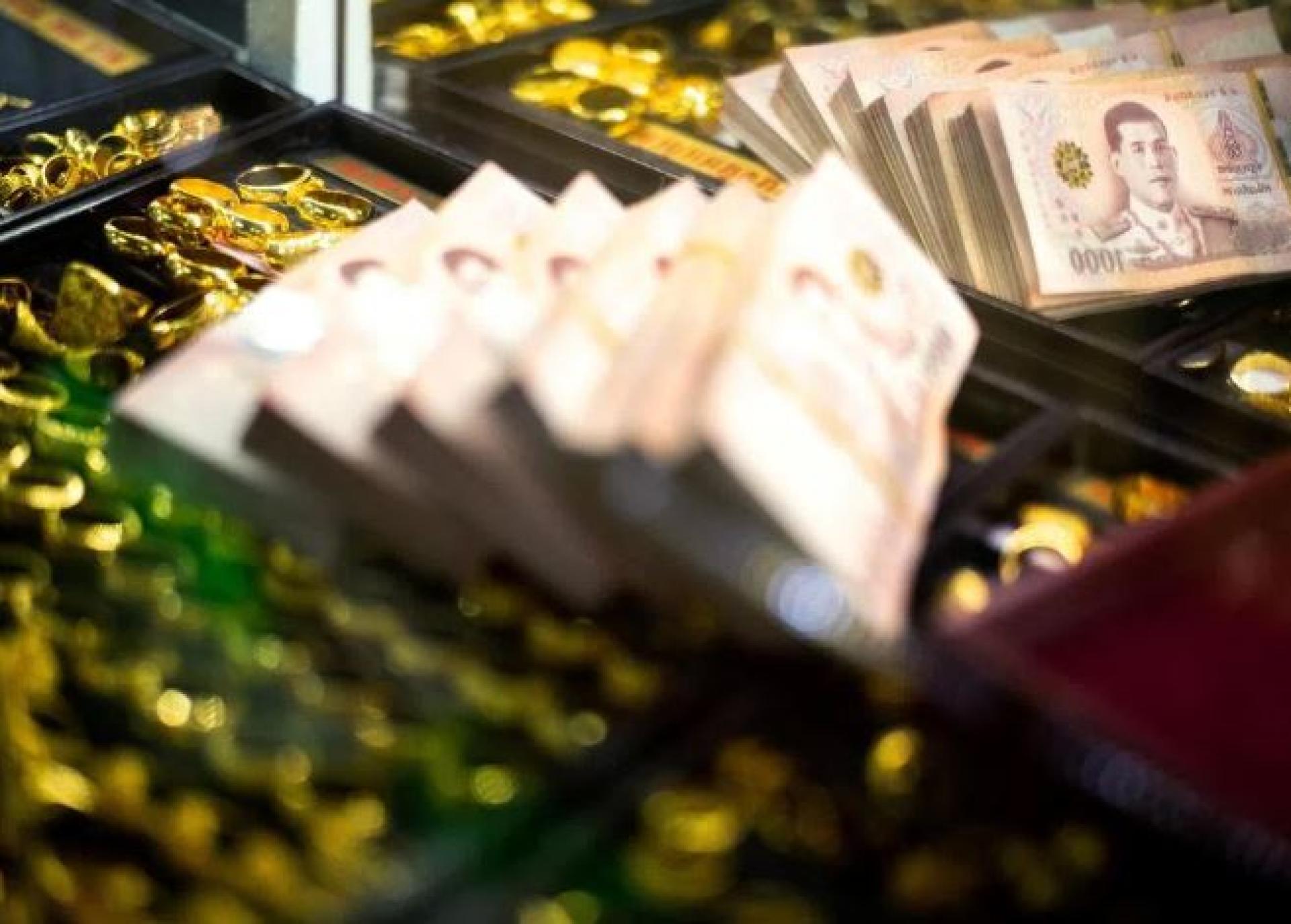
Analysts point out that for Thailand, which is highly dependent on energy imports, the historic rise in international oil prices has exposed the vulnerabilities of its economy, increased pressure on the baht, and heightened the risk of capital flight.
According to Bloomberg, the baht has fallen by more than 5% since March, making it one of the worst-performing Asian currencies. Strategists at Kasikornbank Pcl expect that by mid-year the baht-to-dollar exchange rate will decline by a further 2% from the current 32.8. Rising energy import costs and seasonal dividend repatriation may continue to weigh on the baht.
The baht's decline reflects the rapidly changing sentiment in the emerging Asian currency markets. The baht performed strongly at the end of last year, but the 40% surge in oil prices since March has put it under obvious pressure. Given Thailand's heavy reliance on imported crude oil, its currency is particularly susceptible to commodity price fluctuations and capital outflows in the coming months.
Jeffrey Zhang, a strategist at Crédit Agricole, said that the oil price shock could drag on Thailand's fiscal health and economic growth, and the baht-to-dollar exchange rate may hit 33 by the end of the year. He noted that while there is still room for the USD/THB exchange rate to rise, the increase may not be as rapid as it was in March.
The baht's decline reflects the rapidly changing sentiment in the emerging Asian currency markets. The baht performed strongly at the end of last year, but the 40% surge in oil prices since March has put it under obvious pressure. Given Thailand's heavy reliance on imported crude oil, its currency is particularly susceptible to commodity price fluctuations and capital outflows in the coming months.
Jeffrey Zhang, a strategist at Crédit Agricole, said that the oil price shock could drag on Thailand's fiscal health and economic growth, and the baht-to-dollar exchange rate may hit 33 by the end of the year. He noted that while there is still room for the USD/THB exchange rate to rise, the increase may not be as rapid as it was in March.