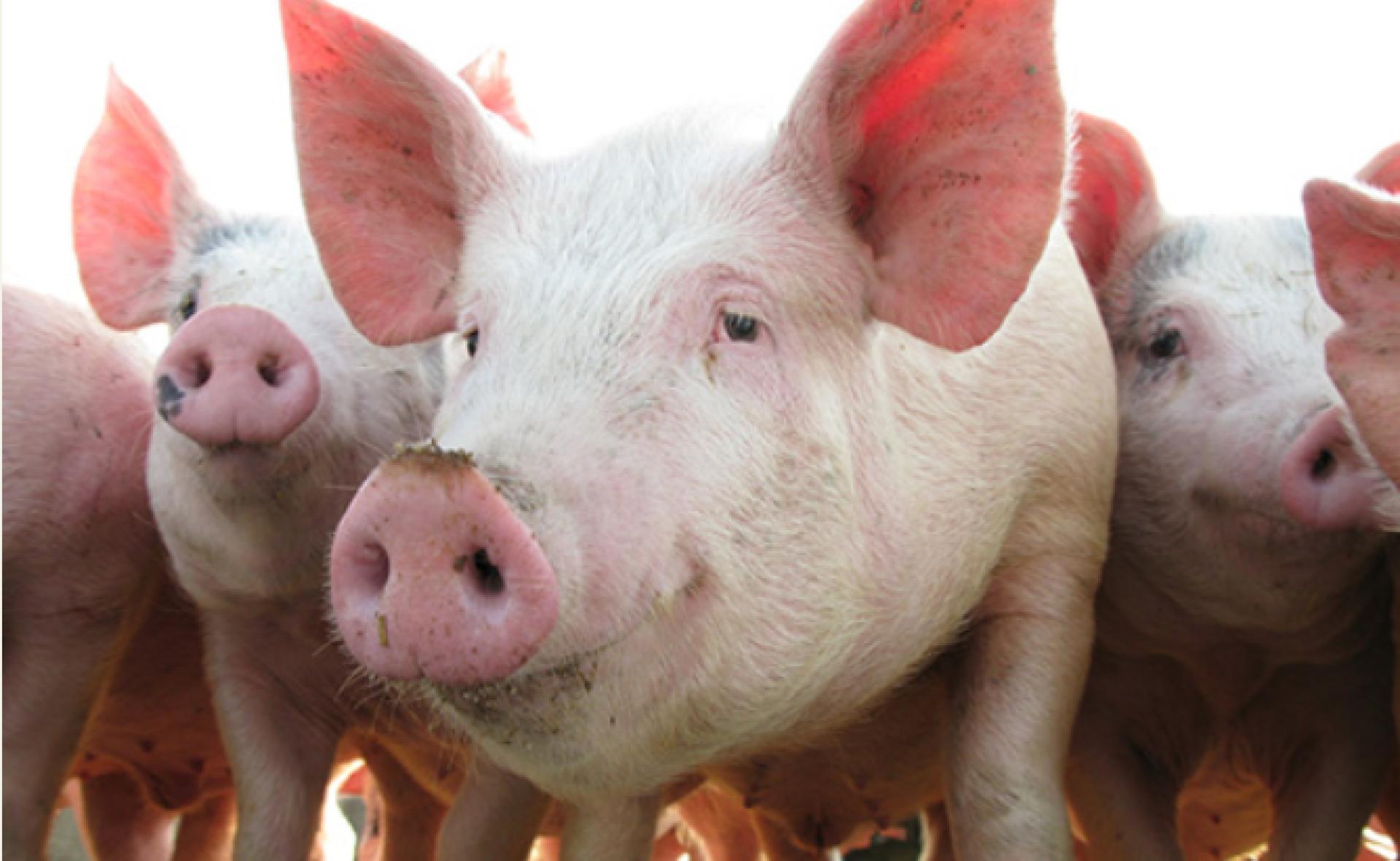
A Chinese research team recently published a scientific study showing that exosomes from pig semen can be combined with therapeutic drugs to make eye drops, helping to deliver medication to cancer cells and precisely treat the eye cancer known as retinoblastoma.
The research team led by Professor Zhang Yu from Shenyang Pharmaceutical University in China published this latest study in the international journal Science Advances on the 27th of this month.
The study reports that this method has already been validated in animal experiments, and if further developed, may not only treat eye cancer while avoiding damage to normal eye tissue, but could also be applied to challenging diseases such as Alzheimer's.
The study found through animal experiments that if drugs are loaded into exosomes derived from pig semen, it is possible to treat the rare childhood eye cancer retinoblastoma.
Retinoblastoma is a malignant tumor occurring in the retina. Because the retina is located in the innermost layer of the eyeball and blocks drug passage, it has always been a challenge to cancer treatment. The current medical approaches include direct drug injection, radiation, or laser treatment, but these methods may harm normal eye tissue.
In this context, exosomes from pig semen can play a key role. Exosomes are small vesicles secreted by cells and are responsible for intercellular information transfer, much like a “postman.” In this study, exosomes deliver not signals, but drugs. Thanks to their properties, drugs can be smoothly delivered to corneal cells.
The “anti-cancer combo” loaded into the exosomes by the researchers includes carbon dots, manganese dioxide, and glucose oxidase. Carbon dots can combine with anti-cancer drugs; manganese dioxide can attach drugs; glucose oxidase can target cancer cells—much like a “guided missile system” that precisely targets cancer.
The research team administered the formulated eye drops into the eyes of mice with retinoblastoma. After 30 days, the tumor had not grown further, and the mice still retained their vision. In addition, they also tested the eye drops on rabbit eyes and found no safety issues.
Analysts believe that such research could be applied to other diseases in the future. Given the ability of exosomes to penetrate the retina, they may also be able to cross the blood-brain barrier, potentially making the treatment of challenging diseases such as Alzheimer's possible.
The study reports that this method has already been validated in animal experiments, and if further developed, may not only treat eye cancer while avoiding damage to normal eye tissue, but could also be applied to challenging diseases such as Alzheimer's.
The study found through animal experiments that if drugs are loaded into exosomes derived from pig semen, it is possible to treat the rare childhood eye cancer retinoblastoma.
Retinoblastoma is a malignant tumor occurring in the retina. Because the retina is located in the innermost layer of the eyeball and blocks drug passage, it has always been a challenge to cancer treatment. The current medical approaches include direct drug injection, radiation, or laser treatment, but these methods may harm normal eye tissue.
In this context, exosomes from pig semen can play a key role. Exosomes are small vesicles secreted by cells and are responsible for intercellular information transfer, much like a “postman.” In this study, exosomes deliver not signals, but drugs. Thanks to their properties, drugs can be smoothly delivered to corneal cells.
The “anti-cancer combo” loaded into the exosomes by the researchers includes carbon dots, manganese dioxide, and glucose oxidase. Carbon dots can combine with anti-cancer drugs; manganese dioxide can attach drugs; glucose oxidase can target cancer cells—much like a “guided missile system” that precisely targets cancer.
The research team administered the formulated eye drops into the eyes of mice with retinoblastoma. After 30 days, the tumor had not grown further, and the mice still retained their vision. In addition, they also tested the eye drops on rabbit eyes and found no safety issues.
Analysts believe that such research could be applied to other diseases in the future. Given the ability of exosomes to penetrate the retina, they may also be able to cross the blood-brain barrier, potentially making the treatment of challenging diseases such as Alzheimer's possible.