12-foot-long 'Sharkzilla' Appears in New York Waters – Experts Suspect Nuclear Pollution Caused Mutation
Published atAug 04, 2026 11:30 am
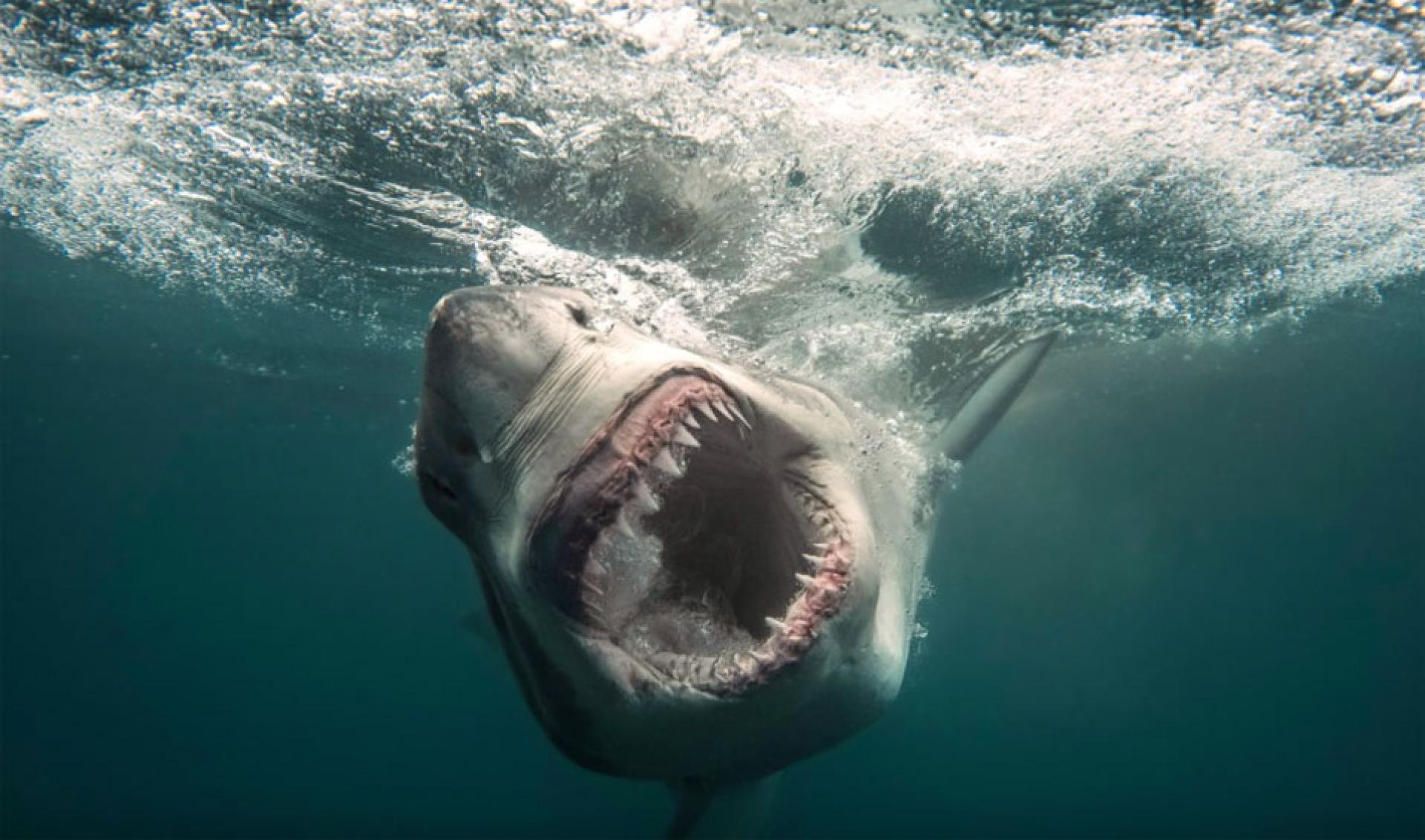
Recently, a giant shortfin mako shark nearly 12 feet (about 3.65 meters) long was found in the waters off Montauk, Long Island, New York, USA, and was described by the media as “Sharkzilla.” Due to the fact that this sea area had been used as a dumping ground for large amounts of low-level radioactive nuclear waste in the past, marine experts once suspected whether the giant shark might have undergone genetic mutations due to radiation contamination. However, after researchers obtained tissue samples from the giant shark and tested them, there was no evidence of radioactive contamination for the time being.
Humpback Whale Left With Two-Foot Bite Marks, Giant Mako Shark Identified
According to a compilation of reports from the New York Post and other foreign media, the incident was revealed in Discovery Channel’s Shark Week program, Sharkzilla Takes New York. Marine scientist Craig O’Connell had earlier noticed that multiple large animals in the waters near Montauk had been attacked in quick succession.
The attacked animals included humpback whales and gray seals, as well as tuna weighing up to 400 pounds (about 181 kg). Among them, the humpback whale had huge bite marks about two feet (about 61 cm) wide, and the gray seal also had a wound about 22 inches (about 56 cm) long, indicating that the attacker possessed an extremely powerful bite force.
After tracking, O’Connell and his team finally identified a nearly 12-foot-long female shortfin mako shark, which they nicknamed “Sharkzilla.” The researchers then attached a tracking tag to the giant shark and collected tissue samples for testing. Marine experts once suspected whether the giant shark might have undergone genetic mutations due to radiation contamination. (Associated Press file image/sample image)15,000 Barrels of Nuclear Waste Once Dumped in Hudson Canyon
The unusual size of the giant shark led the research team to associate it with the nearby nuclear waste disposal site. According to reports, between 1946 and 1970, the U.S. government dumped thousands of water-cement-sealed drums containing low-level radioactive waste into the waters of Hudson Canyon. O'Connell indicated that just in the late 1960s, as many as about 15,000 barrels might have been involved.
Some of these waste barrels were later found to be leaking, raising concerns among experts that radioactive substances might have entered the food chain and affected marine life nearby. The program thus explored whether nuclear pollution could cause genetic mutations in sharks—possibly creating a super-giant shark with unusual size and predatory ability.
No Radiation Found in Tissue Samples — Suspected to be Pregnant Female
Test results ultimately showed that no traces of radioactive contamination were found in the tissue samples of the giant shark, and there is currently insufficient evidence to confirm the theory that nuclear waste caused a “mutant shark.”
The research team believes the female shark is most likely pregnant and needs to eat large quantities of food to nourish herself and her unborn pups. This is why she hunted large fish and marine mammals in succession. Marine experts once suspected whether the giant shark might have undergone genetic mutations due to radiation contamination. (Associated Press file image/sample image)Return of Large Sharks May Reflect Recovery of Breeding Grounds
O'Connell stated that large mako sharks used to appear in the waters of Montauk, but due to long-term overfishing, their numbers once dropped sharply. The discovery of a large female shark this time may indicate that mako sharks are returning to the waters off New York, and that these waters may once again become an important breeding ground for them.
Although the suspicions of a “nuclear-pollution-mutant megashark” have been ruled out, experts believe that the reappearance of large predatory sharks reflects changes in the local marine ecosystem. Fishermen and people engaging in water activities should remain vigilant and avoid disturbing or approaching wild sharks, or they may face danger.
This article has been translated using our AI technology. While we strive for accuracy,
AI translations
may contain errors. For the most precise information, please refer to the original article.