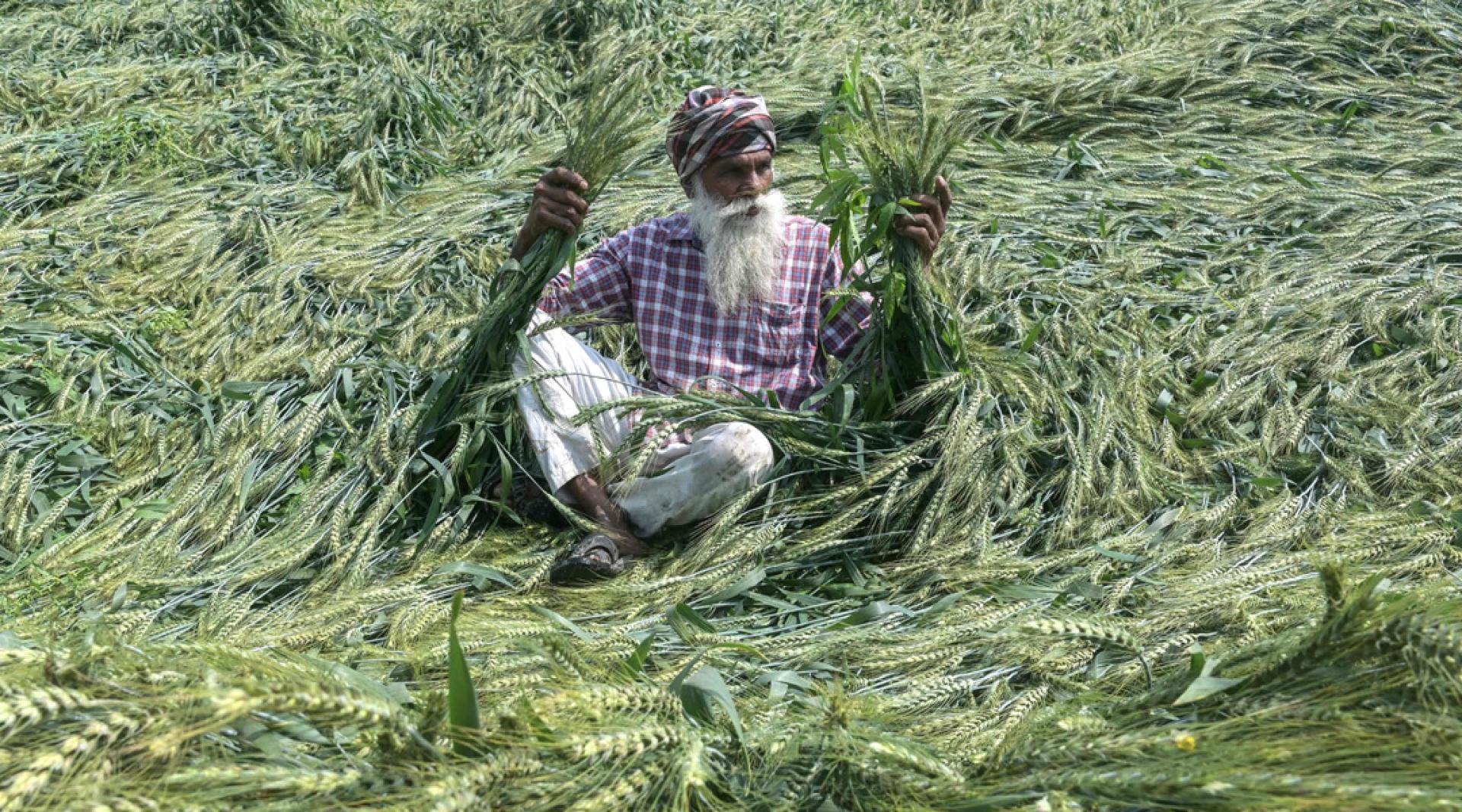
As the Middle East war triggers disruptions to transportation through the Strait of Hormuz, global attention is focused not only on potential oil shortages but also on the impact on fertilizer supply, which threatens food production across continents. This conflict is approaching a scale that could spark an even more severe global food crisis than that caused by the Russia-Ukraine war in 2022, likely increasing the world’s hungry population this year.
According to the UK’s Financial Times, attacks by Iran on neighboring countries have already caused QatarEnergy to halt liquefied natural gas (LNG) production, impacting natural gas supplies to Asian countries and forcing fertilizer producers in South Asia to cut output.
India has ordered fertilizer plants to reduce natural gas consumption to 70% of normal levels, while fertilizer plants in Pakistan and Bangladesh have ceased production.
In addition, urea—the world’s most widely used nitrogen fertilizer—has also had production disrupted in the Middle East due to Iran's attacks. Qatar Fertilizer Company (QAFCO) last week shut down its urea plant with an annual production capacity of 5.6 million metric tons.
The Middle East is a global hub for fertilizer and energy supply chains. According to UK commodity consultancy CRU, approximately one-third of the world’s urea and 45% of sulfur (a key ingredient for phosphate fertilizers) is transported through the Strait of Hormuz, but this critical waterway is now effectively closed. Since the outbreak of the Iran conflict, urea prices have surged over 40%.
Industry leaders have warned that nitrogen fertilizers were already in short supply during the planting season in the Northern Hemisphere, and the harvest of staple crops such as rice will decrease.
Josh Nye, Senior Economist at the U.S. Fertilizer Institute (TFI), stated that if the chaos continues, "the situation will be far worse than in 2022," and "the longer the conflict lasts, the more severe the crisis will become."