NSJA General Assembly Passes 3 Proposed Amendments to Bylaws
Published atMar 30, 2026 02:13 pm
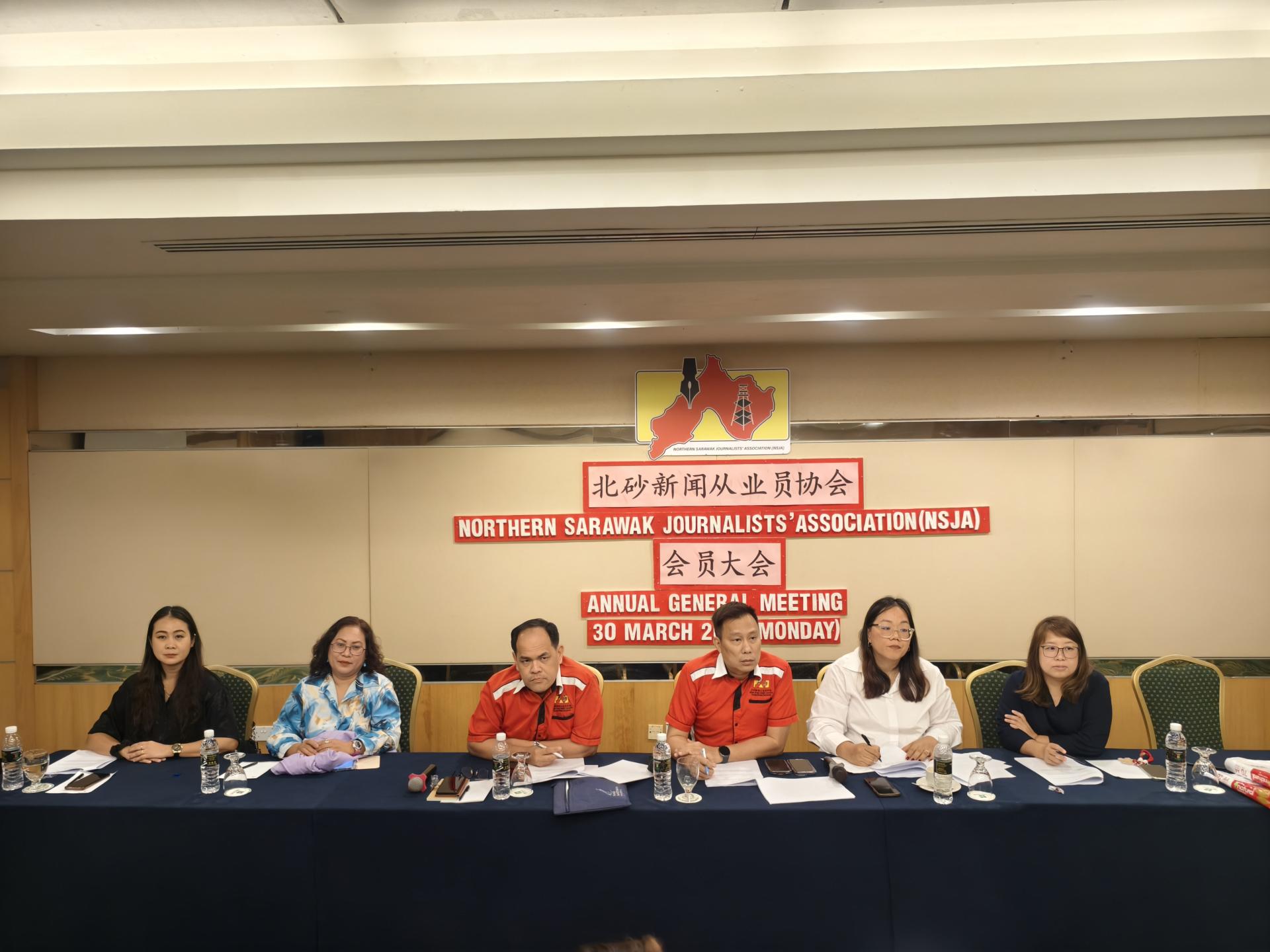
(Miri, 30th) — The Northern Sarawak Journalists Association (NSJA) held its annual general meeting this morning at Miri Imperial Palace Hotel, and unanimously passed three proposed amendments to its bylaws, covering membership qualifications, member termination mechanisms, and adjustment of membership fee structure.
In Proposal 1, the assembly approved the amendment of Bylaw 5(1)(a), providing further details to the criteria for ordinary members. According to the amendment, ordinary members must be Malaysian citizens, and be engaged in journalism full-time, including editors, reporters, feature writers, copywriters, translators, proofreaders, news photographers, and videographers, and must be employed by print, broadcast, or online news organizations/portals or news agencies certified by the Malaysian Information Department (JaPen) with a media accreditation card. In addition, members must normally reside in the northern region—namely Miri, Bintulu, Limbang, and Lawas Divisions—and must not simultaneously join other similar or related organizations.
Proposal 2 involves the amendment of Bylaw 5(3), with the assembly passing an improved member termination procedure. The revised provision specifically stipulates that if an ordinary member is no longer engaged in the journalism profession, their membership and all related rights and benefits will be automatically terminated from the last working day in that profession.
As for Proposal 3, the assembly agreed to amend Bylaw 12(1) by restructuring the membership fee system. After the revision, the entrance fee is increased from the original RM5 to RM10, and the membership fee is changed from RM1 per month to RM24 per year.
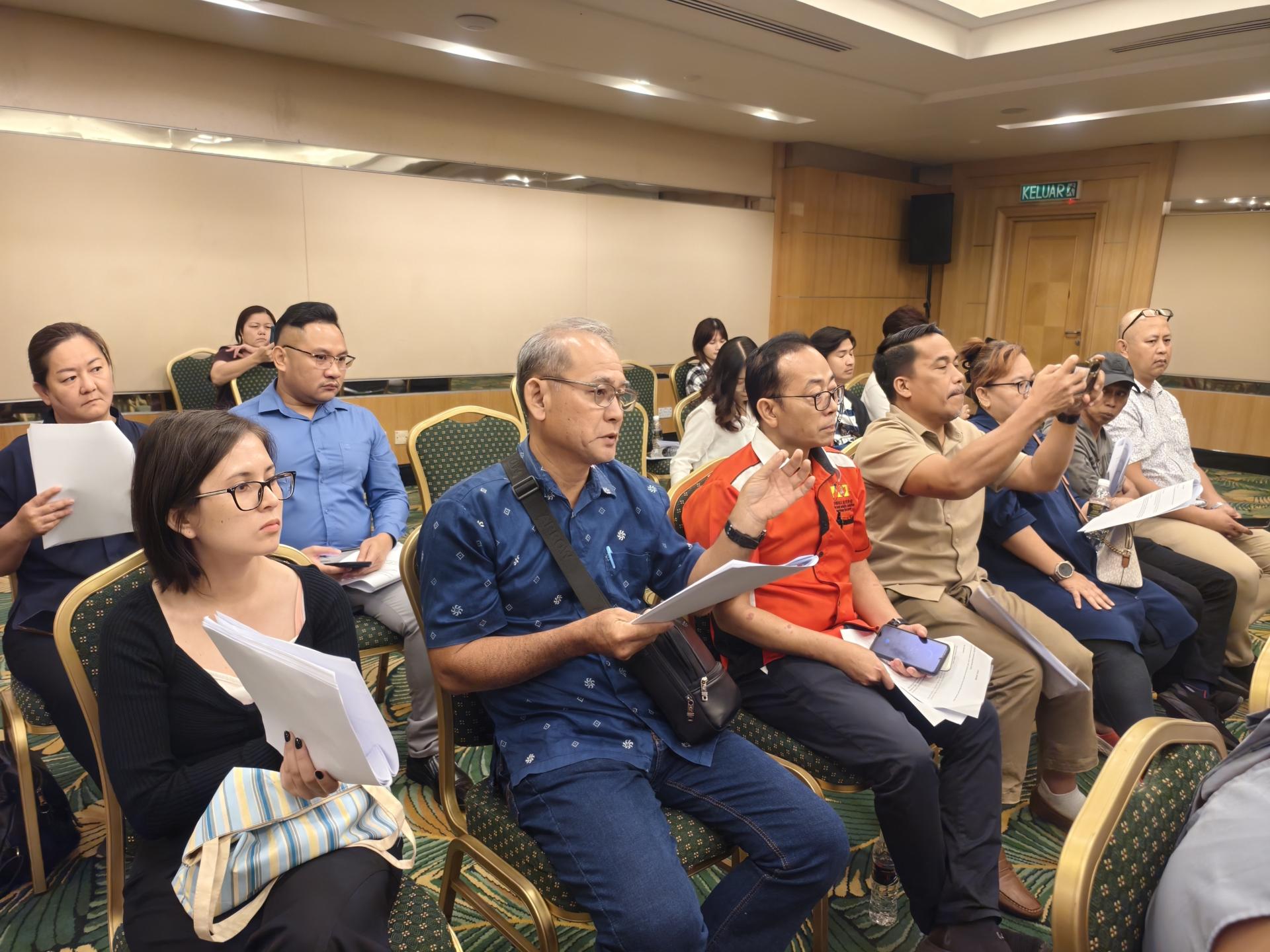
The passage of these proposals aims to strengthen the normative framework and contemporaneity of the association’s system, to more effectively safeguard members’ rights and enhance organizational efficiency. Members giving relevant suggestions regarding the proposals during the proposal session.
This article has been translated using our AI technology. While we strive for accuracy,
AI translations
may contain errors. For the most precise information, please refer to the original article.