Two Men Arrested for Burglary to Fund Drug Habit, Antique Sold Cheaply for RM25
Published atJun 10, 2026 10:59 am
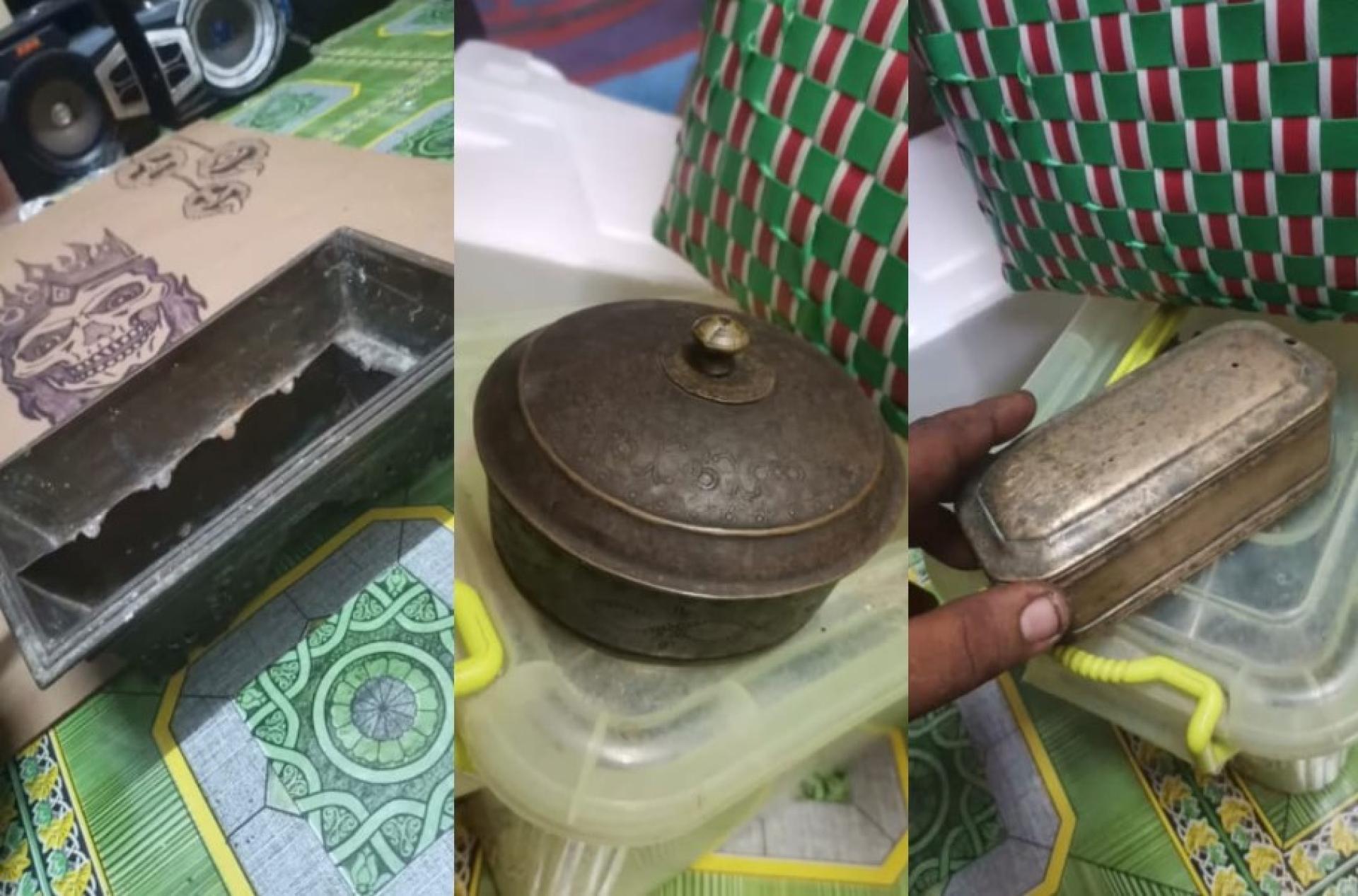
(Saratok, 10th) Two local men are suspected of breaking into a house in Roban, stealing antiques and valuables. One suspect even sold the stolen antiques for only RM25 to raise funds for buying drugs, eventually leading to their arrest by the police.
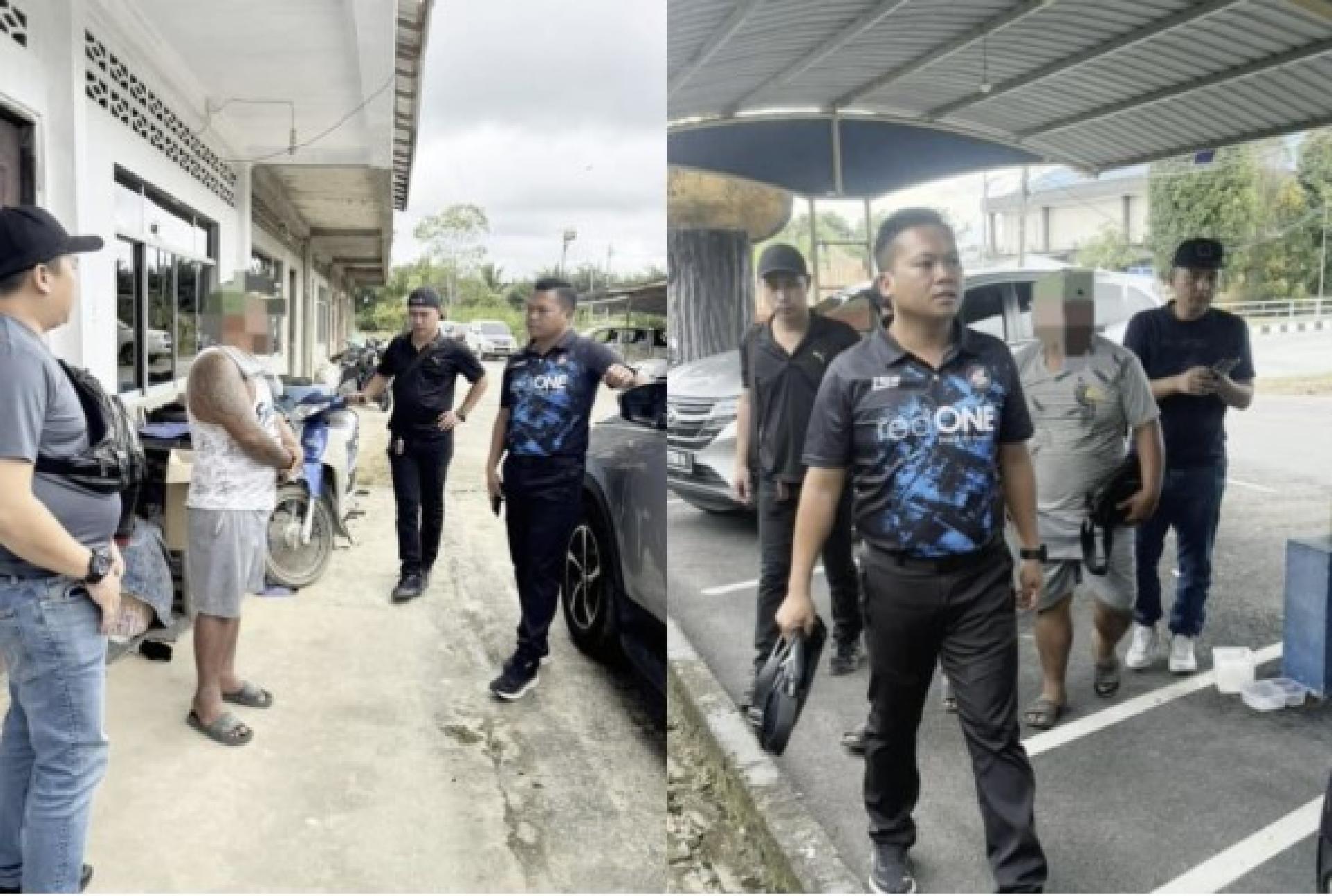
Saratok District Police Chief, DSP Matthew Manji, stated that following the investigation of a break-in at Kampung Melayu Roban, police launched an operation on June 8 and arrested two local men aged 32 and 37.
He said the case was uncovered when a 31-year-old farmer visited his mother’s house on May 24. Since the house had been vacant since January this year, he discovered on his visit that it had been broken into.
"The victim found pry marks on the front door, and several valuables were missing from the house, including brass decorative antiques and a grass cutter, with losses estimated around RM1,200."
He added that after their arrest, both suspects tested positive for amphetamines and methamphetamines (ice) in their urine tests.
"The 32-year-old suspect has one previous burglary record; the 37-year-old has four previous records, including theft and drug cases."
The investigation showed that the first suspect targeted the vacant house on April 30, and is believed to have used a wooden block to break the padlock on the front door, entering the house to search for valuables.
Matthew stated that after stealing several antiques from the living room, the suspects took the items to the second suspect’s house and used the latter’s phone to take photos.
"They then sent photos of the antiques via WhatsApp to try to find a buyer."
However, as they failed to find an interested buyer, the suspects eventually sold the antiques for a low price of RM25 to a scrap metal trader.
"The proceeds were later used to purchase drugs for their personal use."
Currently, police are investigating the case under Section 457 of the Penal Code (housebreaking). 砂拉卓警方逮捕涉嫌在罗班涉及破门行窃案的两名嫌犯。
This article has been translated using our AI technology. While we strive for accuracy,
AI translations
may contain errors. For the most precise information, please refer to the original article.