(Bandar Seri Begawan, 1st) Human Immunodeficiency Virus (HIV) is a virus that affects and weakens the human immune system, making people more susceptible to other diseases, such as cancer. The final stage of HIV infection, known as Acquired Immunodeficiency Syndrome (AIDS), occurs when the immune system becomes extremely weak, unable to resist infections and other illnesses, leading to a range of life-threatening health problems.
If HIV infection can be detected and treated early, this AIDS stage can be prevented. According to estimates from the World Health Organization (WHO), by the end of 2024, there will be approximately 40.8 million people infected with HIV worldwide, with 1.3 million new infections.
Meanwhile, around 630,000 people globally have died from health problems and infections related to HIV.
Brunei's Minister of Health, Dato Isham, issued a statement in conjunction with World AIDS Day.
From the first reported AIDS case in 1986 up to December 2024, Brunei has recorded a total of 537 AIDS cases, with 110 deaths. In 2024 alone, there were 44 new AIDS cases, 90% of which were male, and most patients were young people aged 25 to 30.
With increasing public awareness of AIDS and the widespread availability of testing, more high-risk individuals are encouraged to undergo screening, thereby improving the detection rate.
In Brunei, those most at risk for HIV infection are people who engage in casual sex and unprotected sex, especially men who have sex with men (MSM).
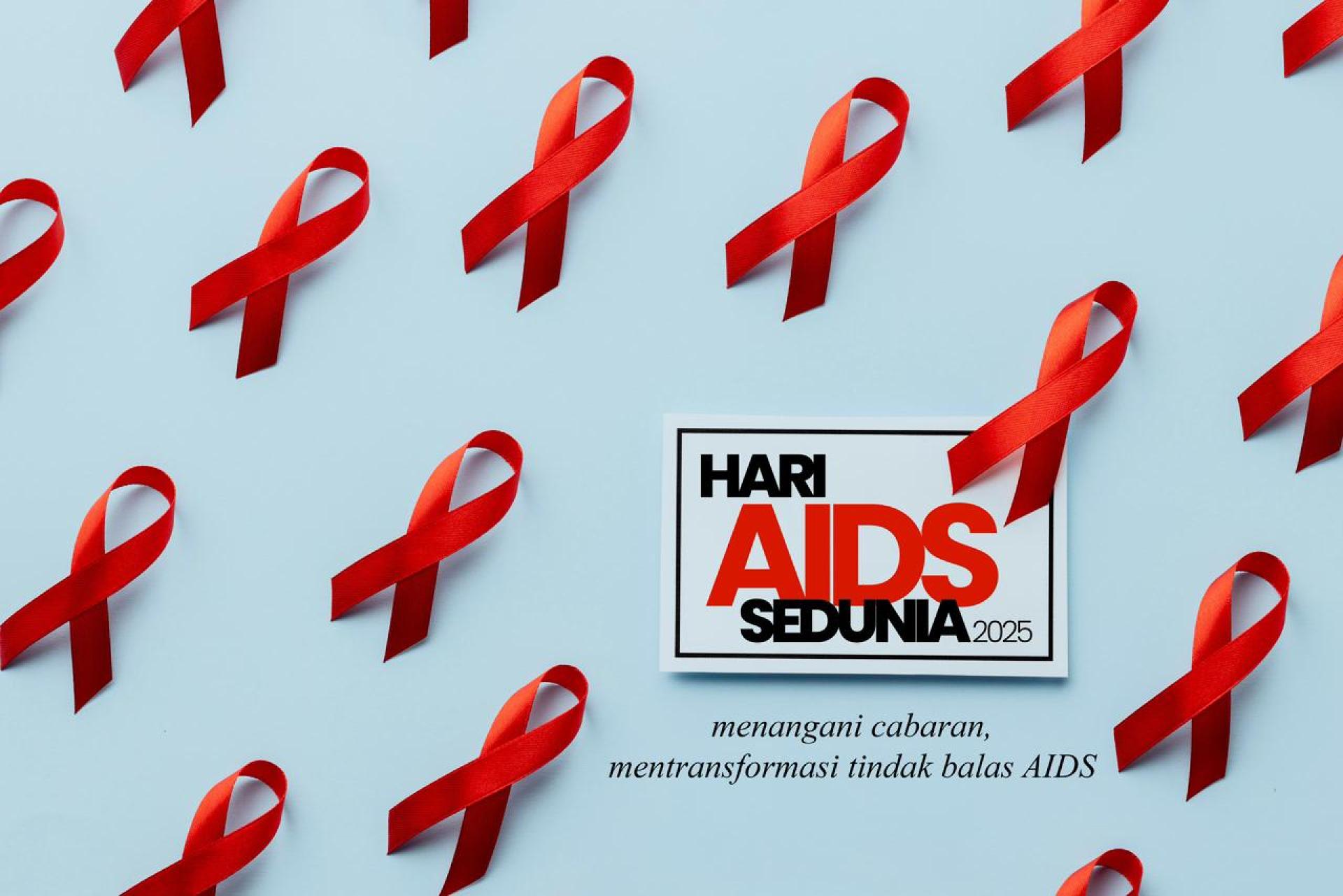
Since its establishment in 1988, December 1st has been designated as World AIDS Day every year, with the goal of increasing public awareness of AIDS and commemorating those who have died from the disease. This year's theme for World AIDS Day is "Overcoming Barriers, Transforming AIDS Response," calling for strengthened global efforts to ensure that all those infected or at high risk have access to high-quality health services, free from discrimination and stigmatization, in order to end AIDS.
Prevention and early detection of HIV infection are key components of the response to HIV. Access to accurate information and correct understanding, especially regarding modes of HIV transmission, can help people avoid high-risk behaviors. HIV prevention measures include avoiding behaviors that may lead to HIV infection, such as casual sex, unprotected sex, and changing sexual partners.
In the early stages, HIV infection typically presents no symptoms. Therefore, all people at risk are advised to visit their nearest clinic or hospital for testing to determine their HIV infection status.
In addition, many private clinics in the country also offer rapid HIV test kits. The Ministry of Health ensures that all information of those tested will be kept confidential under the Infectious Diseases Act (Chapter 204).
AIDS treatment includes taking antiretroviral drugs (ARV), which have been proven to effectively control HIV, enhance patients' quality of life, and prevent the virus from being transmitted to others. With ongoing treatment, HIV patients can live healthy, productive lives and have a life expectancy comparable to those who are uninfected.
In response to this year’s World AIDS Day theme, the Ministry of Health is committed to ensuring that everyone enjoys high-quality, comprehensive, and equitable AIDS services. The Ministry will also continue efforts to reduce stigmatization and discrimination, raise public awareness, and ensure that everyone in need can access appropriate testing, treatment, and care.
Additionally, the Ministry of Health always supports the work of non-governmental organizations in the country, such as the "Peer and Youth AIDS Awareness Program" (HAPPY) implemented by the Brunei Darussalam AIDS Council (BDAC). This program aims to educate young people, increase their awareness of sexually transmitted infections (including HIV and AIDS), and encourage them to adopt healthy lifestyles.
Let us work together to raise public awareness, take preventive measures based on knowledge, reduce stigma and discrimination, and strive to end the AIDS epidemic in Brunei.
Those who may be at risk of HIV/AIDS are encouraged to fully utilize existing facilities and services and get tested as early as possible, so that they may receive treatment early and increase their chances of continuing to live a normal life.
If HIV infection can be detected and treated early, this AIDS stage can be prevented. According to estimates from the World Health Organization (WHO), by the end of 2024, there will be approximately 40.8 million people infected with HIV worldwide, with 1.3 million new infections.
Meanwhile, around 630,000 people globally have died from health problems and infections related to HIV.
Brunei's Minister of Health, Dato Isham, issued a statement in conjunction with World AIDS Day.
From the first reported AIDS case in 1986 up to December 2024, Brunei has recorded a total of 537 AIDS cases, with 110 deaths. In 2024 alone, there were 44 new AIDS cases, 90% of which were male, and most patients were young people aged 25 to 30.
With increasing public awareness of AIDS and the widespread availability of testing, more high-risk individuals are encouraged to undergo screening, thereby improving the detection rate.
In Brunei, those most at risk for HIV infection are people who engage in casual sex and unprotected sex, especially men who have sex with men (MSM).
Since its establishment in 1988, December 1st has been designated as World AIDS Day every year, with the goal of increasing public awareness of AIDS and commemorating those who have died from the disease. This year's theme for World AIDS Day is "Overcoming Barriers, Transforming AIDS Response," calling for strengthened global efforts to ensure that all those infected or at high risk have access to high-quality health services, free from discrimination and stigmatization, in order to end AIDS.
Prevention and early detection of HIV infection are key components of the response to HIV. Access to accurate information and correct understanding, especially regarding modes of HIV transmission, can help people avoid high-risk behaviors. HIV prevention measures include avoiding behaviors that may lead to HIV infection, such as casual sex, unprotected sex, and changing sexual partners.
In the early stages, HIV infection typically presents no symptoms. Therefore, all people at risk are advised to visit their nearest clinic or hospital for testing to determine their HIV infection status.
In addition, many private clinics in the country also offer rapid HIV test kits. The Ministry of Health ensures that all information of those tested will be kept confidential under the Infectious Diseases Act (Chapter 204).
AIDS treatment includes taking antiretroviral drugs (ARV), which have been proven to effectively control HIV, enhance patients' quality of life, and prevent the virus from being transmitted to others. With ongoing treatment, HIV patients can live healthy, productive lives and have a life expectancy comparable to those who are uninfected.
In response to this year’s World AIDS Day theme, the Ministry of Health is committed to ensuring that everyone enjoys high-quality, comprehensive, and equitable AIDS services. The Ministry will also continue efforts to reduce stigmatization and discrimination, raise public awareness, and ensure that everyone in need can access appropriate testing, treatment, and care.
Additionally, the Ministry of Health always supports the work of non-governmental organizations in the country, such as the "Peer and Youth AIDS Awareness Program" (HAPPY) implemented by the Brunei Darussalam AIDS Council (BDAC). This program aims to educate young people, increase their awareness of sexually transmitted infections (including HIV and AIDS), and encourage them to adopt healthy lifestyles.
Let us work together to raise public awareness, take preventive measures based on knowledge, reduce stigma and discrimination, and strive to end the AIDS epidemic in Brunei.
Those who may be at risk of HIV/AIDS are encouraged to fully utilize existing facilities and services and get tested as early as possible, so that they may receive treatment early and increase their chances of continuing to live a normal life.