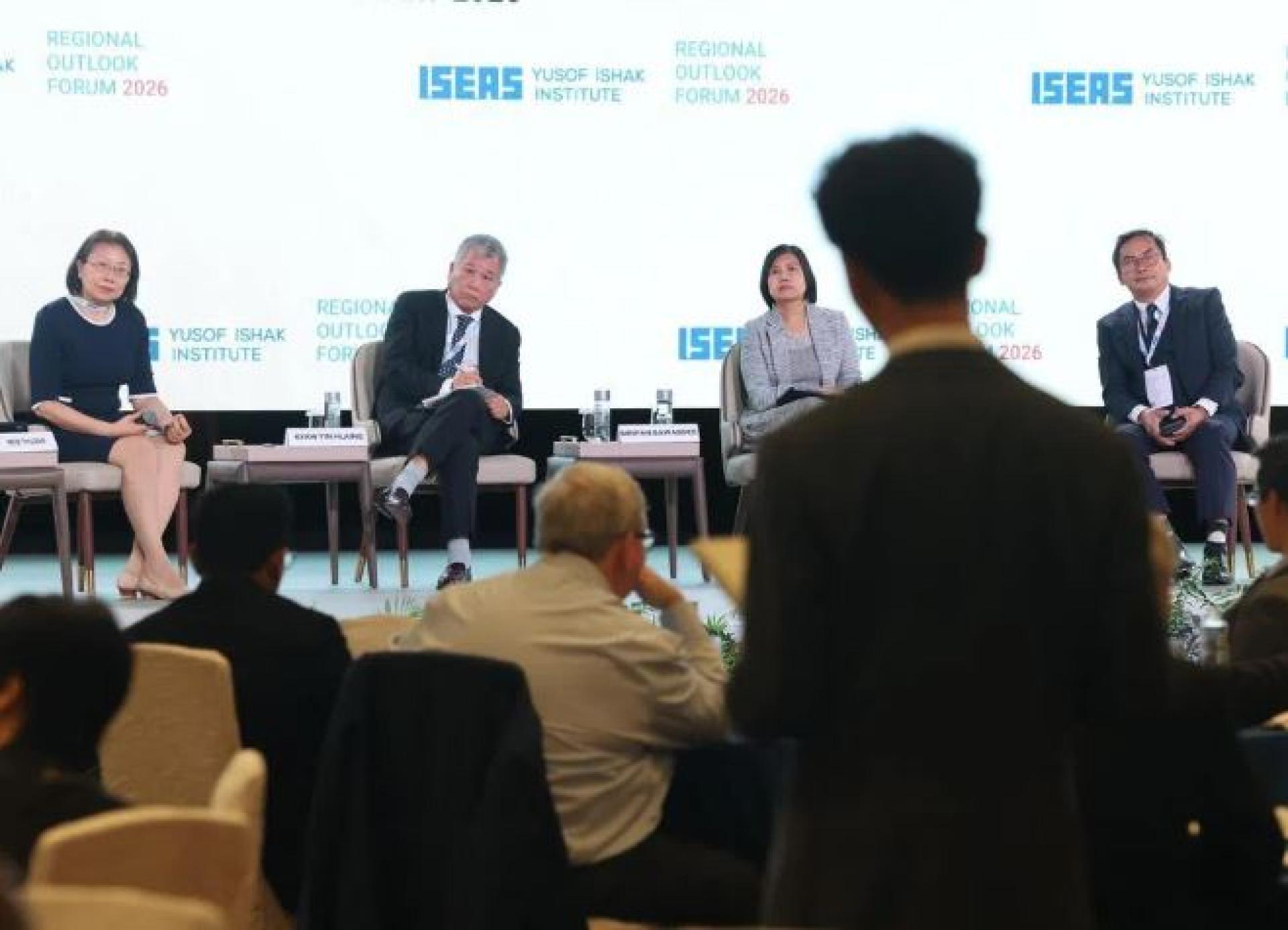
(Singapore, 9th)—Myanmar and Thailand are about to hold nationwide elections, but several regional experts point out that elections may not ease domestic political tensions. In particular, Myanmar’s ongoing confrontation between the military and opposition resistance forces is expected to prolong the country’s instability.
Dr. Kyaw Yin Hlaing, Senior Visiting Fellow for the Myanmar Programme at Singapore’s ISEAS–Yusof Ishak Institute, stated at the institute’s annual Regional Outlook Forum on Thursday (January 8) that, although both the Myanmar military and some anti-military actors regard elections as a way out of the crisis, the reality shows that Myanmar’s problems cannot be resolved by a single election.
He revealed that while some opposition members still hold a sliver of hope in the elections, they do not feel optimistic about the post-election situation. “The military-backed party won about 88% of the seats in the first round of elections. The overall situation is unlikely to see substantive change.”
The Myanmar general election is taking place in three phases, with the first phase having been completed on December 28 last year. The second and third phases will be held on the 11th and 25th of this month, respectively.
As for Thailand, the election is scheduled for February 8. Chulalongkorn University political science professor Siripan analyzed at the forum that no party is expected to rule alone, and after the election, negotiations to form a coalition government among multiple parties—and further political instability—are likely.
She pointed out that Bhumjaithai Party, People’s Party, and Pheu Thai Party will be the key parties, but none is likely to win more than 200 seats. Of the 500 seats in the lower house, if the three parties join forces, they could control around 400 seats; however, due to mutual distrust, their willingness to cooperate remains low.
She further analyzed that Bhumjaithai Party and People’s Party have clear differences over constitutional amendments, making joint governance unlikely. Therefore, possible new government alignments include Bhumjaithai Party cooperating with other medium-sized parties or People’s Party partnering with Pheu Thai Party. However, the latter scenario would likely provoke a strong backlash from conservative forces, making the political risk extremely high.
She concluded by stating: “Thailand’s democratic system has neither collapsed nor progressed—it’s still stagnant.”
On the other hand, the political situation in the Philippines is also under pressure. Professor Holmes from De La Salle University’s Political Science and Development Studies Department points out that President Marcos Jr.’s government is facing serious corruption scandals and reform pressures. Although the government is pushing political reforms and introducing an “anti-political dynasty” bill, its effectiveness remains to be seen.
The opposition criticizes Marcos Jr. for coming from a political family yet championing anti-dynasty legislation, calling his actions contradictory and accusing him of political grandstanding.
He revealed that while some opposition members still hold a sliver of hope in the elections, they do not feel optimistic about the post-election situation. “The military-backed party won about 88% of the seats in the first round of elections. The overall situation is unlikely to see substantive change.”
The Myanmar general election is taking place in three phases, with the first phase having been completed on December 28 last year. The second and third phases will be held on the 11th and 25th of this month, respectively.
As for Thailand, the election is scheduled for February 8. Chulalongkorn University political science professor Siripan analyzed at the forum that no party is expected to rule alone, and after the election, negotiations to form a coalition government among multiple parties—and further political instability—are likely.
She pointed out that Bhumjaithai Party, People’s Party, and Pheu Thai Party will be the key parties, but none is likely to win more than 200 seats. Of the 500 seats in the lower house, if the three parties join forces, they could control around 400 seats; however, due to mutual distrust, their willingness to cooperate remains low.
She further analyzed that Bhumjaithai Party and People’s Party have clear differences over constitutional amendments, making joint governance unlikely. Therefore, possible new government alignments include Bhumjaithai Party cooperating with other medium-sized parties or People’s Party partnering with Pheu Thai Party. However, the latter scenario would likely provoke a strong backlash from conservative forces, making the political risk extremely high.
She concluded by stating: “Thailand’s democratic system has neither collapsed nor progressed—it’s still stagnant.”
On the other hand, the political situation in the Philippines is also under pressure. Professor Holmes from De La Salle University’s Political Science and Development Studies Department points out that President Marcos Jr.’s government is facing serious corruption scandals and reform pressures. Although the government is pushing political reforms and introducing an “anti-political dynasty” bill, its effectiveness remains to be seen.
The opposition criticizes Marcos Jr. for coming from a political family yet championing anti-dynasty legislation, calling his actions contradictory and accusing him of political grandstanding.