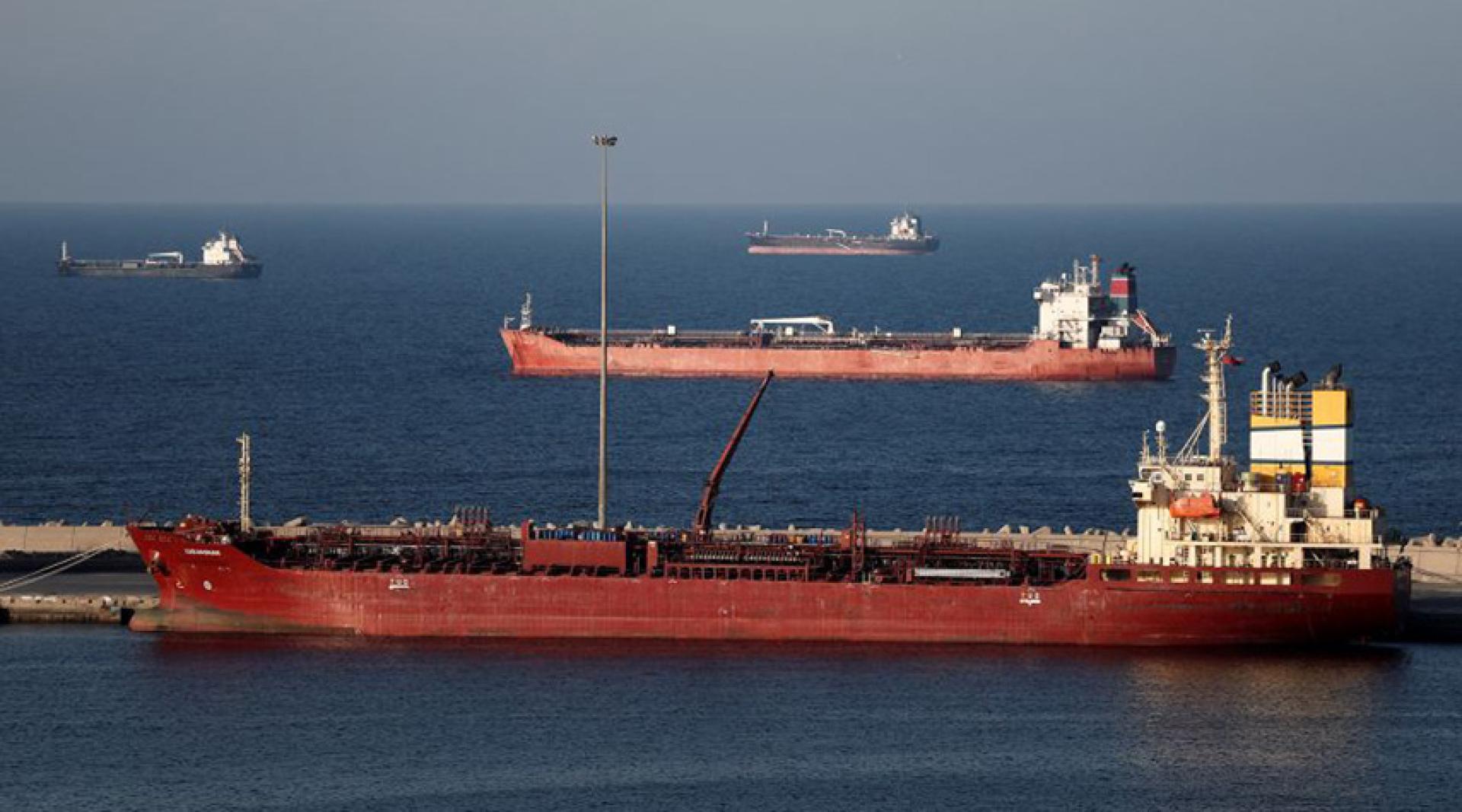
Despite ongoing tensions in the Middle East, after receiving assurances from Iran, at least seven Malaysian vessels are expected to pass through the Strait of Hormuz in the coming days.
According to the New Straits Times, Iranian Ambassador to Malaysia Valiollah was interviewed on Monday (30th) and stated that Tehran has been notified about these vessels currently in the Persian Gulf and intends to pass through the Strait of Hormuz.
“We have received notification from Malaysia's Foreign Minister indicating that several Malaysian vessels are at the Persian Gulf and are seeking passage.”
“We have considered this request, and they will be allowed smooth passage because Malaysia is a friendly country. Friendly countries can use the strait.”
When asked whether Malaysian vessels would be charged a transit fee, Valiollah said they would be allowed to pass free of charge.
“Of course (Malaysian vessels), we will not charge.”
Last Saturday, Foreign Minister Datuk Seri Mohamad Hasan revealed that seven Malaysian-owned oil tankers were awaiting clearance to transit the Strait of Hormuz.
These vessels include: 3 from national oil company Petronas, 2 from MISC Bhd, 1 from Sapura Energy, and 1 from Shapadu Corporation.
He explained that these ships had not been detained but were waiting for a security window and an official signal to proceed. Reportedly, four of these vessels are loaded with crude oil.
Strait Remains Open for Passage — Valiollah: Only Selective Restrictions
Additionally, Valiollah said the Strait of Hormuz remains open to international shipping. He described these “selective restrictions” as a legitimate response to recent attacks and rejected reports of a “total blockade.”
He stated that selective restrictions have been imposed on access to this strategic waterway; any country involved in or supporting attacks against Iran is prohibited from passage. For friendly countries, Iran will continue to allow passage, provided coordination with Iranian authorities.
He stressed that this move does not constitute a blockade of the strait but is a targeted response based on international law.
“I want to emphasize that the Strait of Hormuz is not closed. Restrictions apply only to certain countries, not all.”
“If you attack Iran, you cannot use this strait. But we have not closed it.”
Since the 1979 Islamic Revolution and the subsequent diplomatic crisis, Iran has been under U.S.-led sanctions. Over the decades, these sanctions have expanded to cover energy, finance, and shipping sectors.
Nevertheless, until recent conflicts, the Strait of Hormuz has remained open to international shipping. Recent rumors of a blockade have caused global oil prices to surge.
Responding to reports that the United States is seeking NATO allies' support to escort vessels through the strait, Valiollah dismissed the prospect of foreign naval intervention.
He said NATO has not made any substantive response and added that any such presence would be considered by Tehran as support for U.S. aggression.
Speaking about the global oil price increase, Valiollah said that despite decades of sanctions, Iran has historically avoided closing the strait due to concerns over the significant impact on global markets.
“Iran has been sanctioned for 47 years, but we have never closed the Strait of Hormuz. We could have done so, but we did not.”
“If we closed it, people worldwide would suffer. We have issues with the U.S., but we do not want to escalate these problems to other countries or the global market.”
However, he hinted that the current situation marks a shift in strategy and argued that the surge in oil prices should be blamed on aggressor nations.
“But now things are different. If someone attacks your home and still wants to use your strait, you would say no.”
“We have received notification from Malaysia's Foreign Minister indicating that several Malaysian vessels are at the Persian Gulf and are seeking passage.”
“We have considered this request, and they will be allowed smooth passage because Malaysia is a friendly country. Friendly countries can use the strait.”
When asked whether Malaysian vessels would be charged a transit fee, Valiollah said they would be allowed to pass free of charge.
“Of course (Malaysian vessels), we will not charge.”
Last Saturday, Foreign Minister Datuk Seri Mohamad Hasan revealed that seven Malaysian-owned oil tankers were awaiting clearance to transit the Strait of Hormuz.
These vessels include: 3 from national oil company Petronas, 2 from MISC Bhd, 1 from Sapura Energy, and 1 from Shapadu Corporation.
He explained that these ships had not been detained but were waiting for a security window and an official signal to proceed. Reportedly, four of these vessels are loaded with crude oil.
Strait Remains Open for Passage — Valiollah: Only Selective Restrictions
Additionally, Valiollah said the Strait of Hormuz remains open to international shipping. He described these “selective restrictions” as a legitimate response to recent attacks and rejected reports of a “total blockade.”
He stated that selective restrictions have been imposed on access to this strategic waterway; any country involved in or supporting attacks against Iran is prohibited from passage. For friendly countries, Iran will continue to allow passage, provided coordination with Iranian authorities.
He stressed that this move does not constitute a blockade of the strait but is a targeted response based on international law.
“I want to emphasize that the Strait of Hormuz is not closed. Restrictions apply only to certain countries, not all.”
“If you attack Iran, you cannot use this strait. But we have not closed it.”
Since the 1979 Islamic Revolution and the subsequent diplomatic crisis, Iran has been under U.S.-led sanctions. Over the decades, these sanctions have expanded to cover energy, finance, and shipping sectors.
Nevertheless, until recent conflicts, the Strait of Hormuz has remained open to international shipping. Recent rumors of a blockade have caused global oil prices to surge.
Responding to reports that the United States is seeking NATO allies' support to escort vessels through the strait, Valiollah dismissed the prospect of foreign naval intervention.
He said NATO has not made any substantive response and added that any such presence would be considered by Tehran as support for U.S. aggression.
Speaking about the global oil price increase, Valiollah said that despite decades of sanctions, Iran has historically avoided closing the strait due to concerns over the significant impact on global markets.
“Iran has been sanctioned for 47 years, but we have never closed the Strait of Hormuz. We could have done so, but we did not.”
“If we closed it, people worldwide would suffer. We have issues with the U.S., but we do not want to escalate these problems to other countries or the global market.”
However, he hinted that the current situation marks a shift in strategy and argued that the surge in oil prices should be blamed on aggressor nations.
“But now things are different. If someone attacks your home and still wants to use your strait, you would say no.”