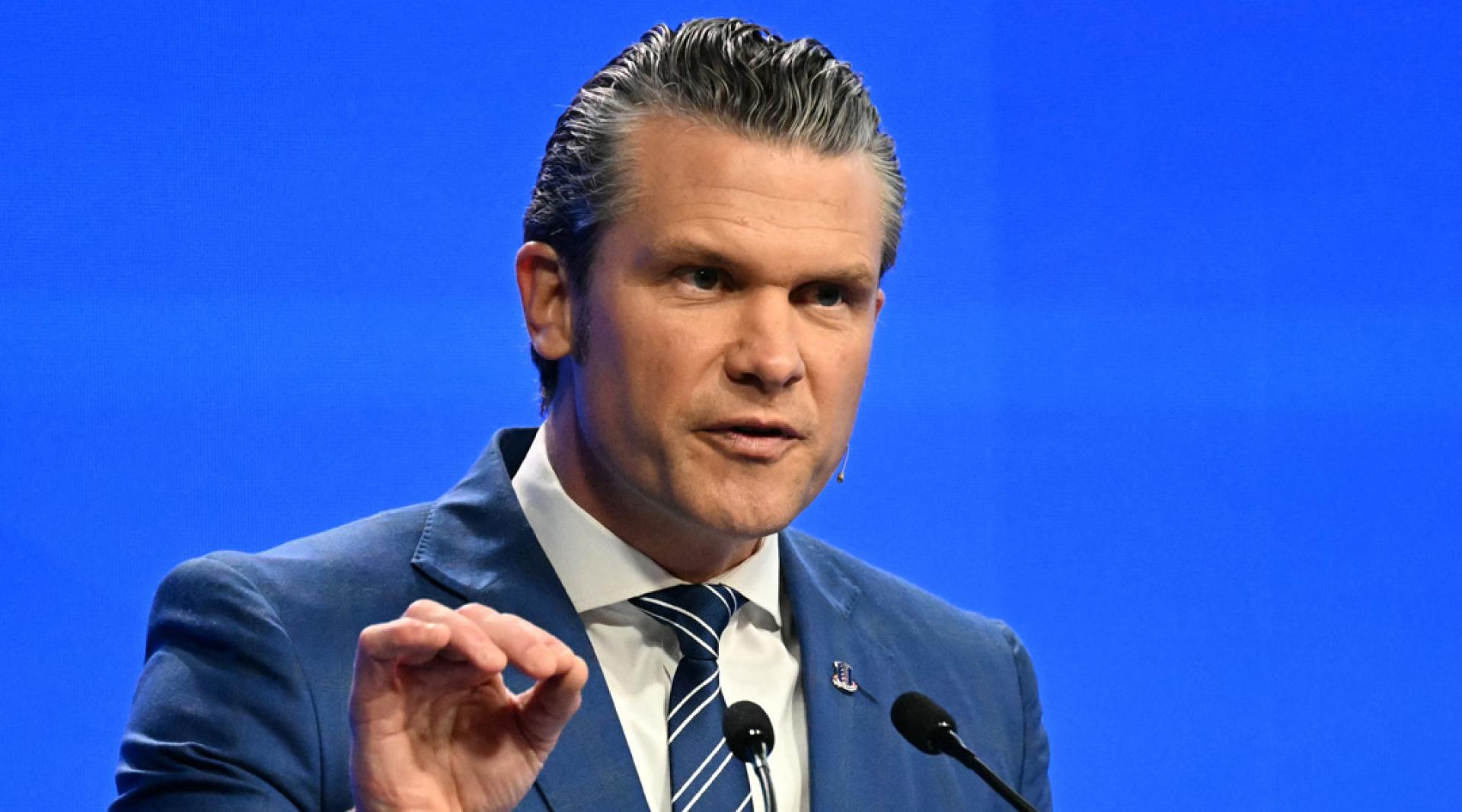
As divisions emerge between the U.S. and Europe over the Iran war issue, U.S. President Trump recently threatened to consider reducing the number of U.S. troops stationed in Germany. On the 1st, the Pentagon stated that U.S. Secretary of War Haggses has ordered the withdrawal of about 5,000 U.S. troops from Germany, and it is expected that this withdrawal operation will be completed within the next 6 to 12 months.
Currently, there are about 35,000 active-duty U.S. military personnel stationed in Germany, more than in any other location in Europe.
Pentagon officials explained that some of the U.S. troops withdrawn from Europe may first return to the United States before being redeployed overseas. This move aims to align with the Pentagon's strategic priorities, focusing resources and attention on the U.S. homeland and the Indo-Pacific region.
On April 27, German Chancellor Merz stated that the United States lacks a strategic exit plan regarding the Iran conflict, which has led to the current dilemma and to the United States being "humiliated" by Iran. In response, on April 28, Trump posted on social media, saying Germany is "performing so poorly, both economically and otherwise." On April 30, Trump also said that Merz should spend more time ending the Russia-Ukraine conflict and resolving immigration and energy issues, rather than interfering with countries working to eliminate Iran's nuclear threat.
Trump also wrote on social media: "The United States is studying and reviewing the possibility of reducing its troop presence in Germany, with a decision expected soon."
Germany is one of the United States' NATO allies. Recently, Trump has repeatedly criticized NATO allies, accusing them of refusing to play a larger role after the joint U.S.-Israel attack on Iran in late February and Iran's subsequent restriction of the key shipping lane, the Strait of Hormuz.