The World Meteorological Organization stated that in January 2026, extreme weather events such as high temperatures and fires induced by heat, low temperatures and snowfall, as well as heavy rain and flooding, impacted many countries worldwide, resulting in severe economic, environmental, and human losses. This once again highlights the importance of increased investment in weather early warning systems.
According to a report by Xinhua News Agency, the World Meteorological Organization released a bulletin on the 30th, stating that in January, most of Australia experienced two waves of heatwaves, together with other weather conditions that easily triggered fires. On January 26, the temperature in one locality in South Australia approached 50 degrees Celsius, setting a new local temperature record. In Chile and Argentina, extreme heat and strong winds contributed together to destructive wildfires.
In the Northern Hemisphere, Russia’s Kamchatka Peninsula received more than two meters of snowfall in the first two weeks of January, while December of last year saw 3.7 meters of snow. Data from the local hydrometeorological center shows that the combined snowfall during this period made it one of the snowiest times for the Kamchatka Peninsula since the 1970s.
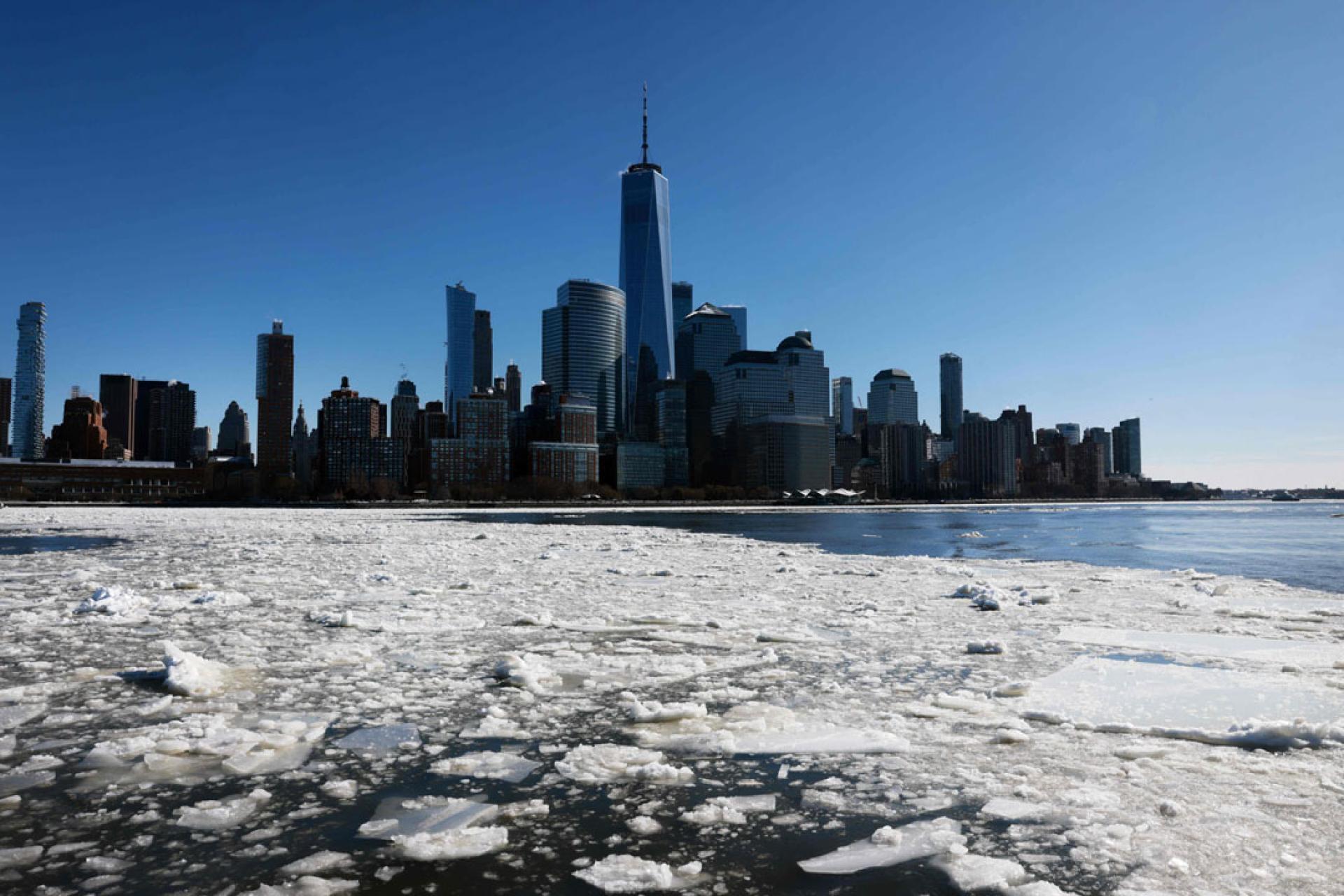
In the last week of January, large-scale winter storms swept across most regions of Canada and the United States, bringing widespread snowfall, sleet, freezing rain, as well as life-threatening cold and icy weather. Mass flight cancellations and power outages affected hundreds of thousands of households, with the extreme cold also causing fatalities.
Most of Europe was also hit by successive storms in January, with heavy rains and strong winds leading to transport disruptions and widespread flooding in many countries. Ireland, the United Kingdom, Portugal, Spain, and the entire Mediterranean region were all affected.
The World Meteorological Organization's coordination mechanism reported in January that southeastern Africa had been suffering ongoing heavy rains, with weeks of downpours causing river levels to surge and major reservoirs to become overwhelmed. Floodwaters inundated densely populated areas, with Mozambique being the hardest hit.