(USA, 17th) – US President Trump has concluded his visit to China. On the 16th, China's Ministry of Commerce issued a statement announcing that the two sides had reached five positive outcomes in the field of economic and trade relations, including the establishment of a Trade and Investment Council and 'in principle agreement to reduce tariffs on products of mutual concern on a comparable scale.' However, regarding high-end technology competition, Trump confirmed on his return trip to the US that the Chinese side has, out of insistence on an independent R&D strategy, not yet approved the purchase of NVIDIA H200 AI chips.
Trump confirmed on his return to the US that the Chinese side, due to adhering to a strategy of independent R&D, has not yet approved the transaction for purchasing NVIDIA (Huida) H200 AI chips.
Trump said: 'The H200 is very good, China needs it, but they chose not to (purchase); they want to try independent R&D.'
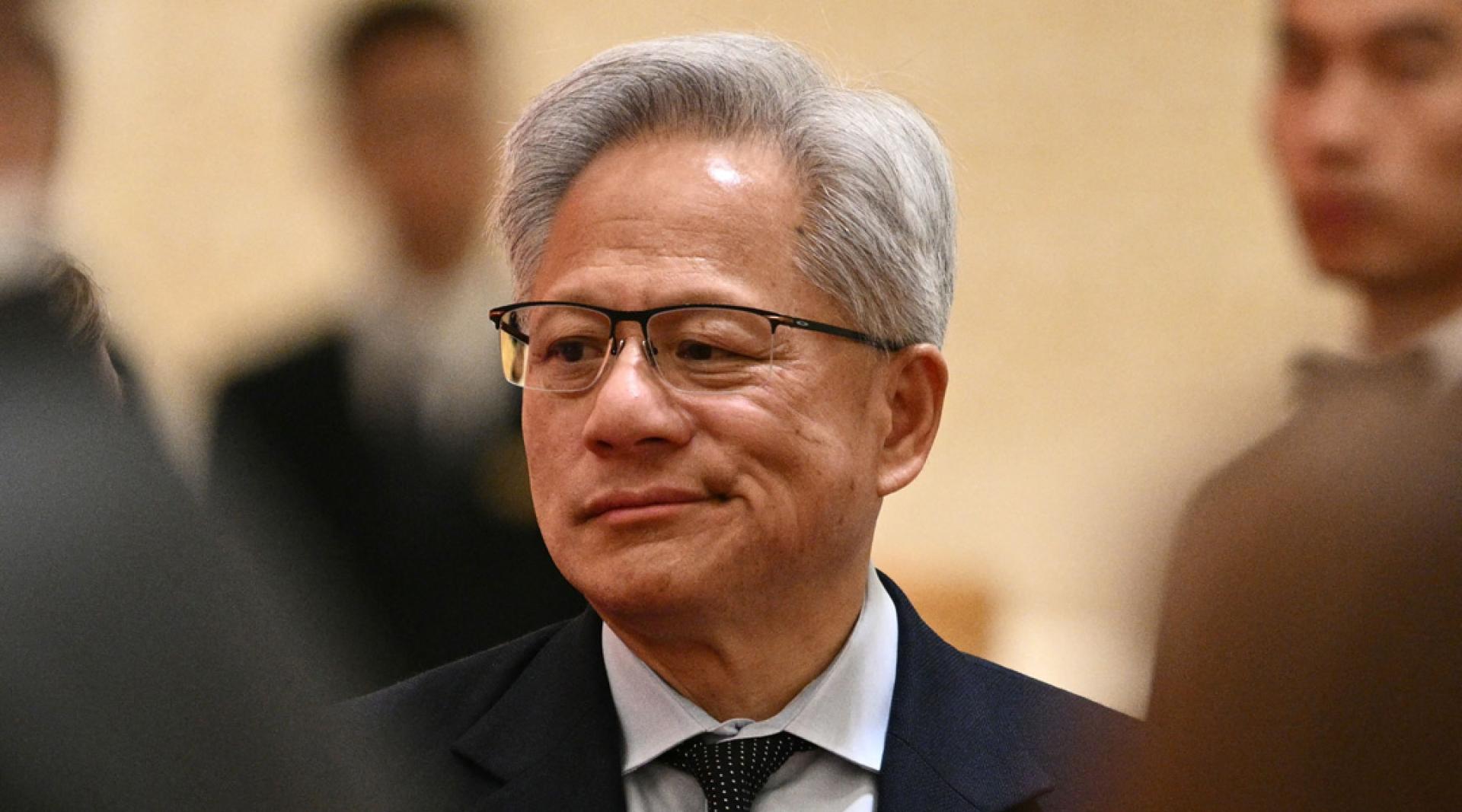
Although NVIDIA CEO Jensen Huang joined the visiting delegation to China at the last minute, and there were reports that the US Department of Commerce had approved 10 Chinese companies to purchase H200 chips, the Chinese side's stance reflected a firm resolve for technological self-sufficiency.
On the evening of the 16th, China's Ministry of Commerce issued a written statement in the form of a 'Q&A on the preliminary results of China-US economic and trade consultations,' outlining the initial achievements currently reached in the field of economic and trade relations, mainly five major points such as the in-principle agreement to reduce tariffs on products of mutual concern on a comparable scale:
First, both parties will continue to implement the outcomes of previous negotiations, and have formed a positive consensus regarding relevant tariff arrangements.
Second, both sides agreed to establish a Trade Council and an Investment Council to discuss areas of mutual concern regarding trade and investment. Through the Trade Council, issues such as tariff reductions on relevant products will be discussed, and in-principle agreement was reached to reduce tariffs on products of mutual concern on a comparable scale.
Third, both sides will resolve or make substantive progress in addressing some non-tariff barriers and market access issues related to agricultural products. The US side will actively work to resolve long-term concerns raised by China in areas including automatic detention of dairy and aquatic products, the export of medium bonsai to the US, the certification of avian influenza-free zones in Shandong, and more. The Chinese side will also actively work to resolve US concerns about beef facility registration, the export of poultry from certain states to China, etc.
Fourth, both parties agreed to further expand two-way trade—including in agricultural products—through certain reciprocal reduction arrangements.
Fifth, both sides reached relevant arrangements on China's purchase of airplanes from the US as well as the US ensuring the supply of aircraft engines and parts to China, agreeing to continue to advance cooperation in these areas.