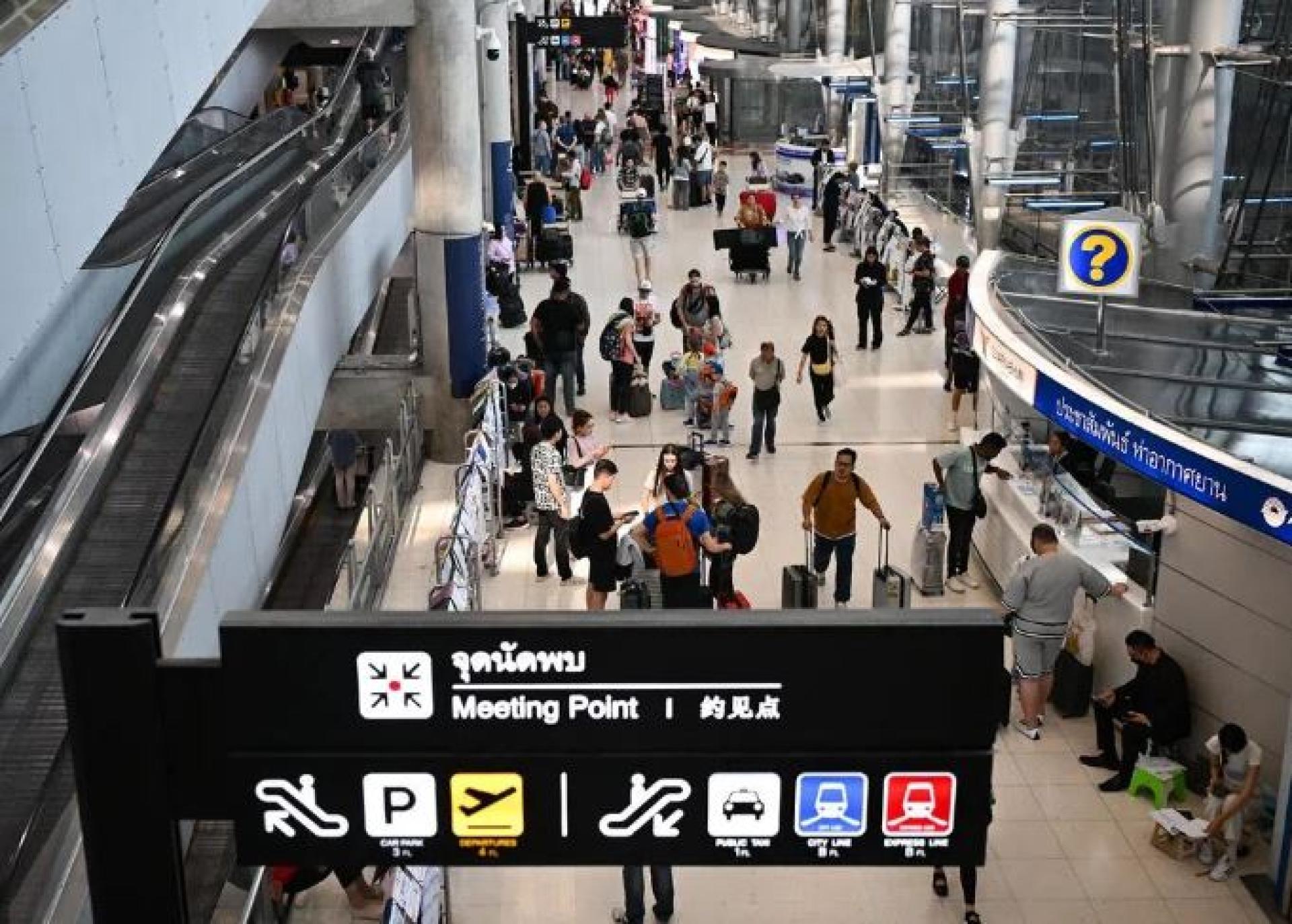
Thai Prime Minister and Minister of Interior Anutin has signed new deportation regulations, clearly outlining the procedures for deporting foreign nationals who violate Thai law, disrupt public order, or endanger social morality.
According to Thailand’s ‘The Nation’ newspaper, the Thai Prime Minister’s Office on Thursday (27th) published the ‘Prime Minister’s Office Deportation Regulations’ in the Royal Gazette. This regulation was signed by Anutin on the 26th and officially came into effect on Friday (28th).
The regulation states that Thailand welcomes foreign nationals who enter the country legally for tourism, residence, employment, or business. However, those who violate the law, disrupt public order or social morality, or enter illegally for personal gain will be subject to deportation in accordance with the law.
The new regulation establishes formal handling procedures aimed at increasing the efficiency of deportation decisions, while also strengthening coordination among relevant government agencies.
According to the new regulation, if a foreign national’s behavior is determined to violate public order, good morals, or public welfare—including inciting or supporting such actions—the Secretary-General of the Ministry of Interior or an authorized representative must submit the case to the Minister of Interior, who will decide whether to issue a deportation order.
Six Types of Offenses May Result in Deportation
The Minister of Interior has the authority to order the deportation of foreign nationals who have received a final conviction by the court and have completed their sentences, involving the following six types of crimes:
- Violation of immigration law, illegal entry or illegal stay in Thailand;
- Violation of laws related to foreign employment, working illegally in Thailand;
- Violation of the Foreign Business Operations Act, illegally operating a business;
- Forgery of official documents or use of forged documents;
- Committing an offense punishable by 5 years’ imprisonment or more;
- Serving as the principal offender, instigator, or accomplice in any of the above five types of crimes.
In addition, the deportation order may specify a prohibition on the deported individual re-entering Thailand for a certain period.
According to the regulation, deported foreign nationals will typically be repatriated to their country of nationality; if their nationality cannot be determined, they may be deported to the last country of habitual residence declared prior to entering Thailand.