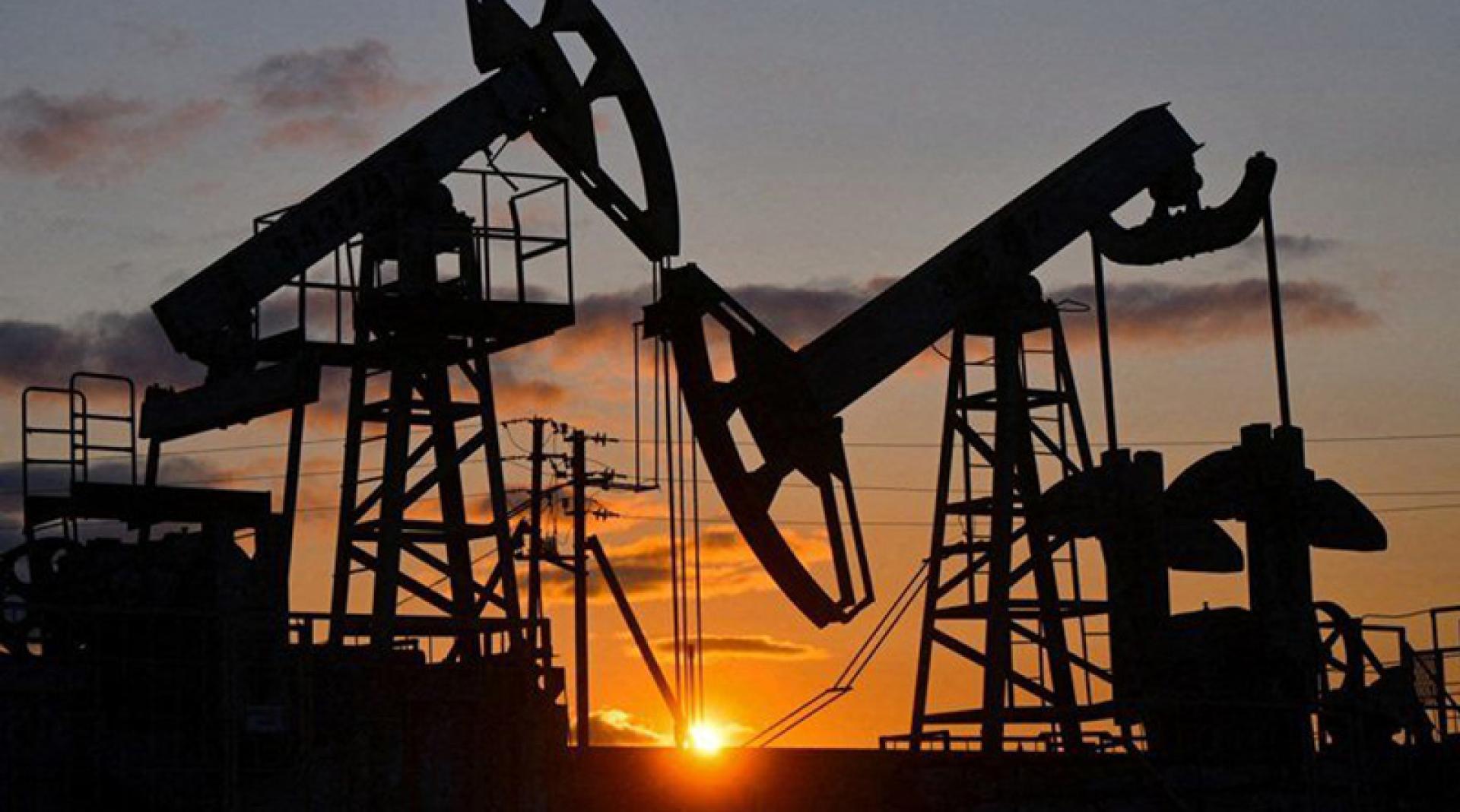
The Organization of the Petroleum Exporting Countries (OPEC) issued a statement on the 1st, noting that eight major oil-producing countries have decided to increase daily output by 206,000 barrels in April.
Representatives from Saudi Arabia, Russia, Iraq, the United Arab Emirates, Kuwait, Kazakhstan, Algeria, and Oman held an online meeting that day to discuss the situation and outlook of the international oil market.
The statement said that given the current expectations for steady global economic growth and low oil inventories, the eight countries have decided to adjust production. To maintain stability in the oil market, the eight countries will flexibly adjust the pace of production increases according to market conditions.
These eight countries announced voluntary production cuts of about 1.65 million barrels per day in April 2023, and in November 2023, they announced an additional voluntary cut of 2.2 million barrels per day. These two major production cut measures were extended multiple times thereafter, but during this period, the United States, Canada, and other countries increased their crude oil output.
In March 2025, these eight countries decided to gradually increase oil production starting from April 1 that year. After that, they will maintain monthly production increases until December. From January to March 2026, the eight countries announced a pause in output increases due to seasonal factors.
On the other hand, due to military strikes by the United States and Israel on Iran, which have significantly escalated the geopolitical tensions in the Middle East, the risk of disruption to international oil supplies has increased. The price of international crude oil futures surged at the start of trading on the 1st.
As of 6:45 p.m. Eastern Time on the 1st, the April delivery light crude oil futures price on the New York Mercantile Exchange jumped as high as $75.33 per barrel, up 12.4% from the previous trading session's closing price; the May delivery Brent crude oil futures price in London soared as high as $82.37 per barrel (about 320 ringgit), up 13% from the previous trading session's close.
On February 28, the United States and Israel carried out military strikes on Iran, and that night the Iranian Revolutionary Guard Corps announced a ban on any vessels passing through the Strait of Hormuz. At present, multiple oil tanker owners and traders have suspended the transportation of crude oil, fuel, and liquefied natural gas through this strait.
The Strait of Hormuz connects the Persian Gulf and the Gulf of Oman. It is a vital export route for crude oil from major Middle Eastern oil-producing countries such as Saudi Arabia, Iraq, Qatar, and the United Arab Emirates. Oil transported through this strait accounts for about one-fifth of the world's total oil shipments.