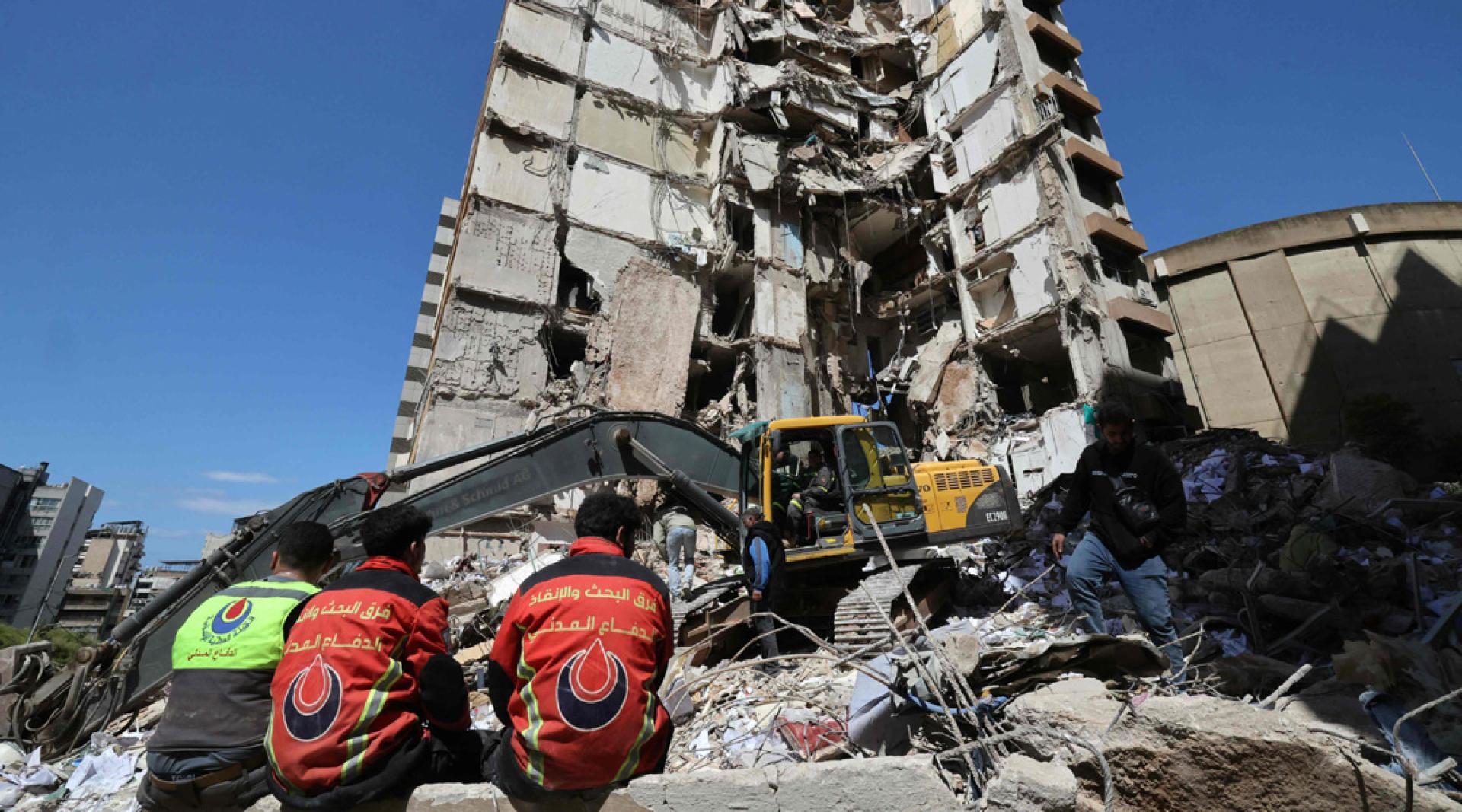
International Monetary Fund (IMF) Managing Director Kristalina Georgieva stated in Washington on the 9th local time that due to the impact of the Middle East conflict, the IMF will lower this year’s global economic growth rate.
On that day, Georgieva delivered the opening address of the IMF Spring Meetings at IMF headquarters. She said the Middle East conflict has once again tested the resilience of the global economy. Although there is currently a temporary ceasefire, it has brought immense suffering around the world. The economic impact of this shock will largely depend on whether the ceasefire can be maintained and the degree of destruction ultimately caused by the war.
Georgieva said that given the many uncertainties, the World Economic Outlook Report to be released next week will cover multiple scenarios. Even in the most optimistic scenario, the global economic growth rate will be revised downward, due to factors such as severe infrastructure damage, supply disruptions, loss of confidence, and other long-term trauma effects.
Georgieva pointed out that countries around the world are affected by the Middle East conflict to varying degrees. Countries that can export oil and natural gas without disruption are least affected. Countries directly impacted by the war (including those whose oil and gas exports are blocked) and countries reliant on imported oil and natural gas are affected the most. The severity of the shock largely depends on the size of each country’s policy space, including oil and gas reserves.