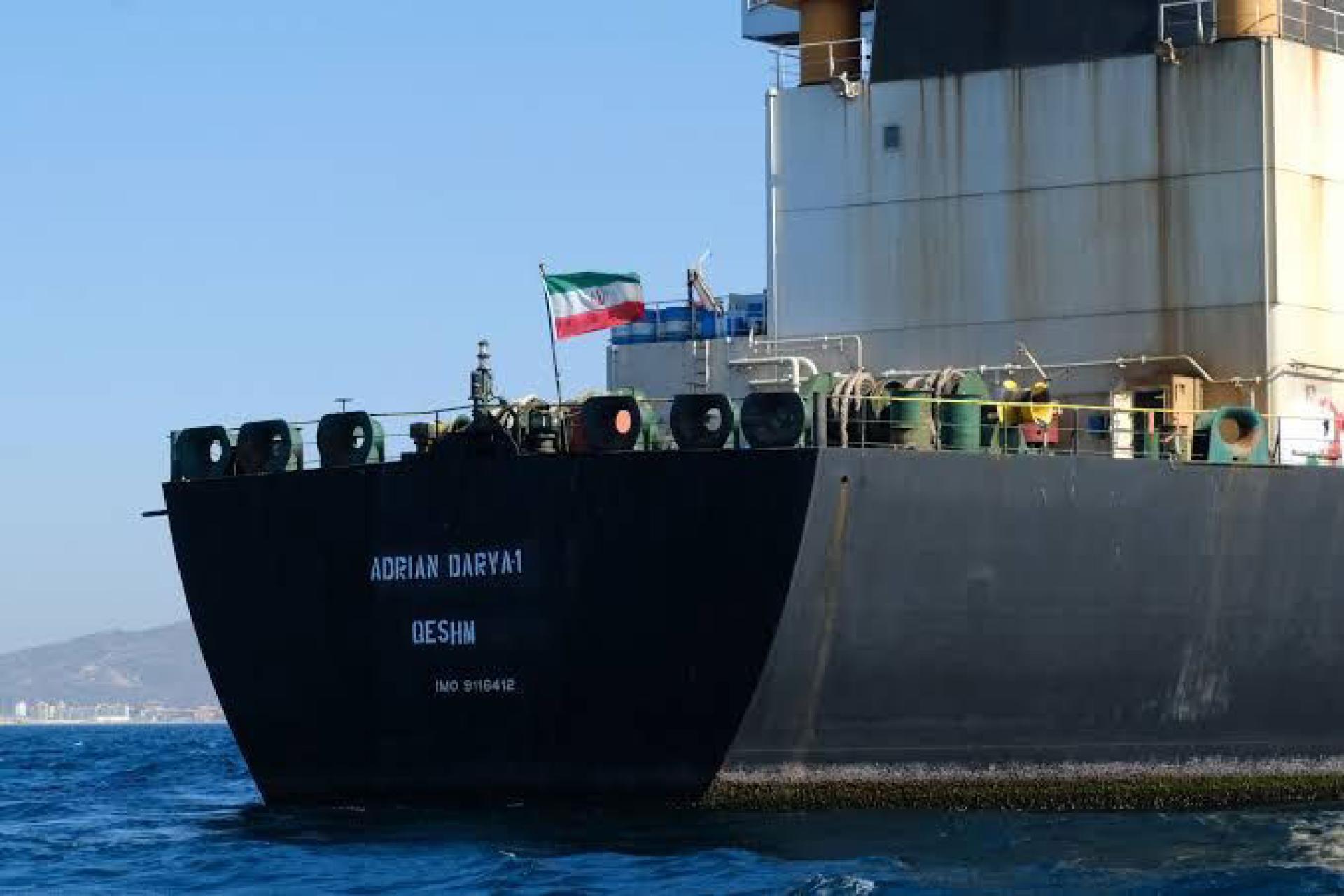
The US Department of the Treasury’s Office of Foreign Assets Control announced on the 7th that it has revoked the previously issued 60-day authorization for Iranian oil production, delivery, and sales.
A US official told AFP: “Iran’s behavior in the Strait of Hormuz region is completely unacceptable to the United States and will inevitably have consequences.”
The official stated that the memorandum of understanding between the US and Iran is entirely based on “actual conduct,” and Iran can only reap benefits by demonstrating “good behavior.”
However, the official also pointed out that US negotiators are still “genuinely committed to achieving a final agreement.”
On June 22, US Treasury Secretary Baisent announced via social media that, as part of the negotiating framework with Iran, the Treasury had granted a 60-day general license allowing the production, delivery, and sale of Iranian oil.
On the other hand, Iran’s Foreign Ministry issued a statement in the early hours of the 8th, condemning the US for revoking its temporary suspension of sanctions on Iranian oil sales and warning that necessary actions will be taken in response.
The statement said the US action blatantly violates Article 10 of the US-Iran memorandum of understanding, and the US should bear responsibility for the consequences.
The statement goes on to say that the two sides had only recently signed the memorandum, and the US had already announced the cancellation of the general license issued on June 21 permitting Iranian oil sales, further demonstrating that the US government is not trustworthy.
The statement accuses the US of repeatedly “directly violating or, through Israel’s actions in Lebanon, violating” the relevant provisions of the memorandum.
The statement emphasizes that since signing the memorandum on June 18, Iran has been making sincere efforts to fulfill its commitments, but the US has not only breached its commitments but also used various excuses to justify its actions.
The statement warns that Iran will take whatever actions it deems necessary to safeguard its own interests and national security.