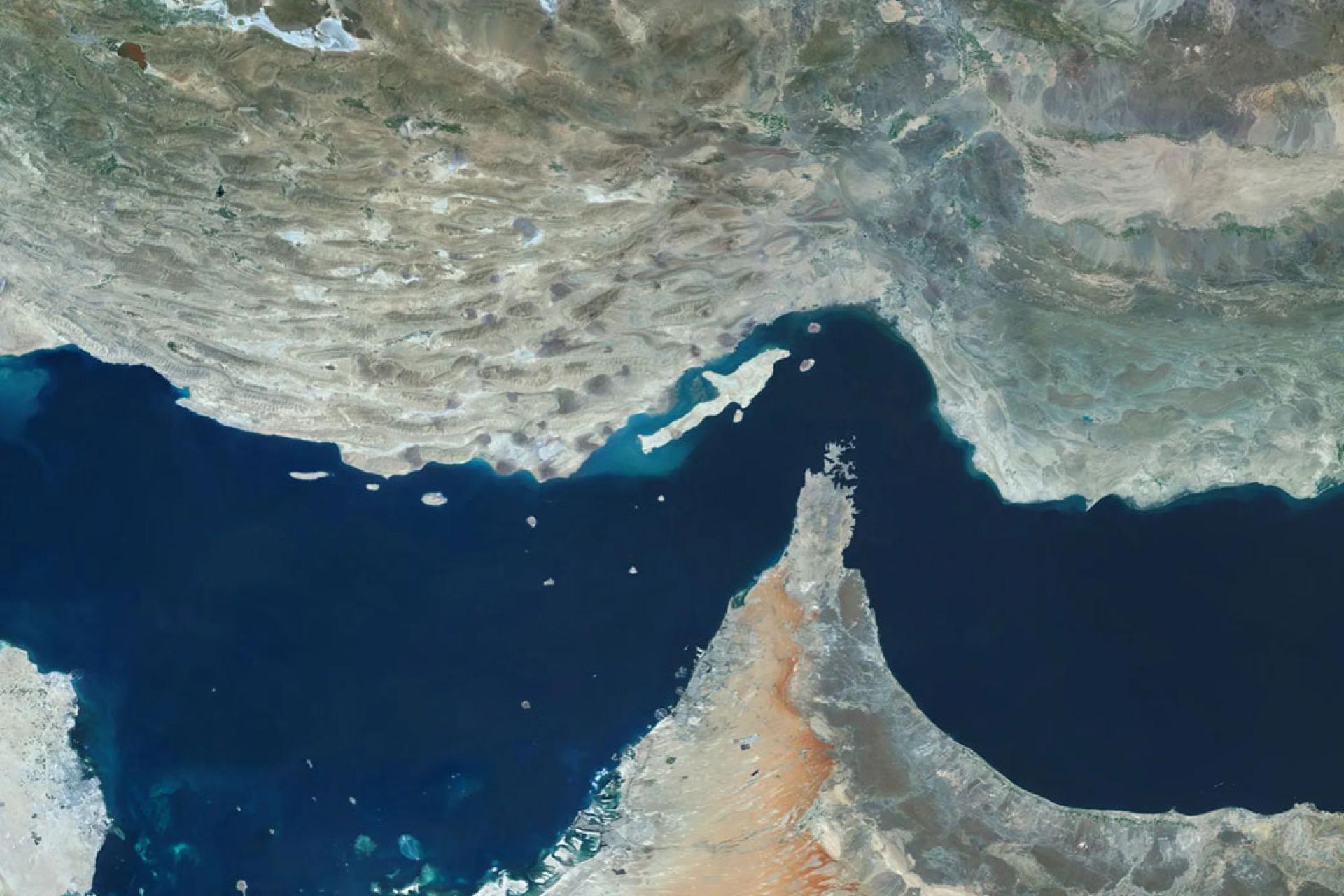
The UK-based maritime analytics company Windward released a report on the 15th, stating that after the United States imposed a blockade on all ships entering and leaving Iranian ports, a landing craft flying the Iranian national flag departed from Iran’s Abbas Port on the 14th, crossed the Strait of Hormuz, and entered the Gulf of Oman, clearly breaching the US blockade.
The report said that between the 14th and 15th, an empty ultra-large oil tanker—using a false ship flag and under US sanctions—was observed sailing through Iranian territorial waters into the Strait of Hormuz. The ship may have hugged the coastline to reduce exposure risk. This voyage also constituted a breach of the blockade.
The report pointed out that while the US military's blockade of Iranian ports has started to have a real-time impact on vessel behavior, it has not yet completely stopped ships from sailing through the Strait of Hormuz and surrounding waters.
According to Windward statistics, transit traffic through the Strait of Hormuz remained active on the 14th, but the traffic flow balance sharply shifted towards outbound movements, with a total of 19 vessels passing through the strait. Of these, 5 entered and 14 exited; 7 flew the Iranian flag. Arriving ships included two tankers and three cargo ships, while departing ships included two tankers, one bulk carrier, and 11 other cargo ships.
US Military Claims No Ships Breached Its Defense Line
The US Central Command issued a statement on the 15th, declaring that within 48 hours of the US commencing a blockade on ships entering and leaving Iranian ports, “no ships have successfully crossed the US military defense line.” In addition, nine ships complied with US orders and turned back to Iranian ports or coastal areas.