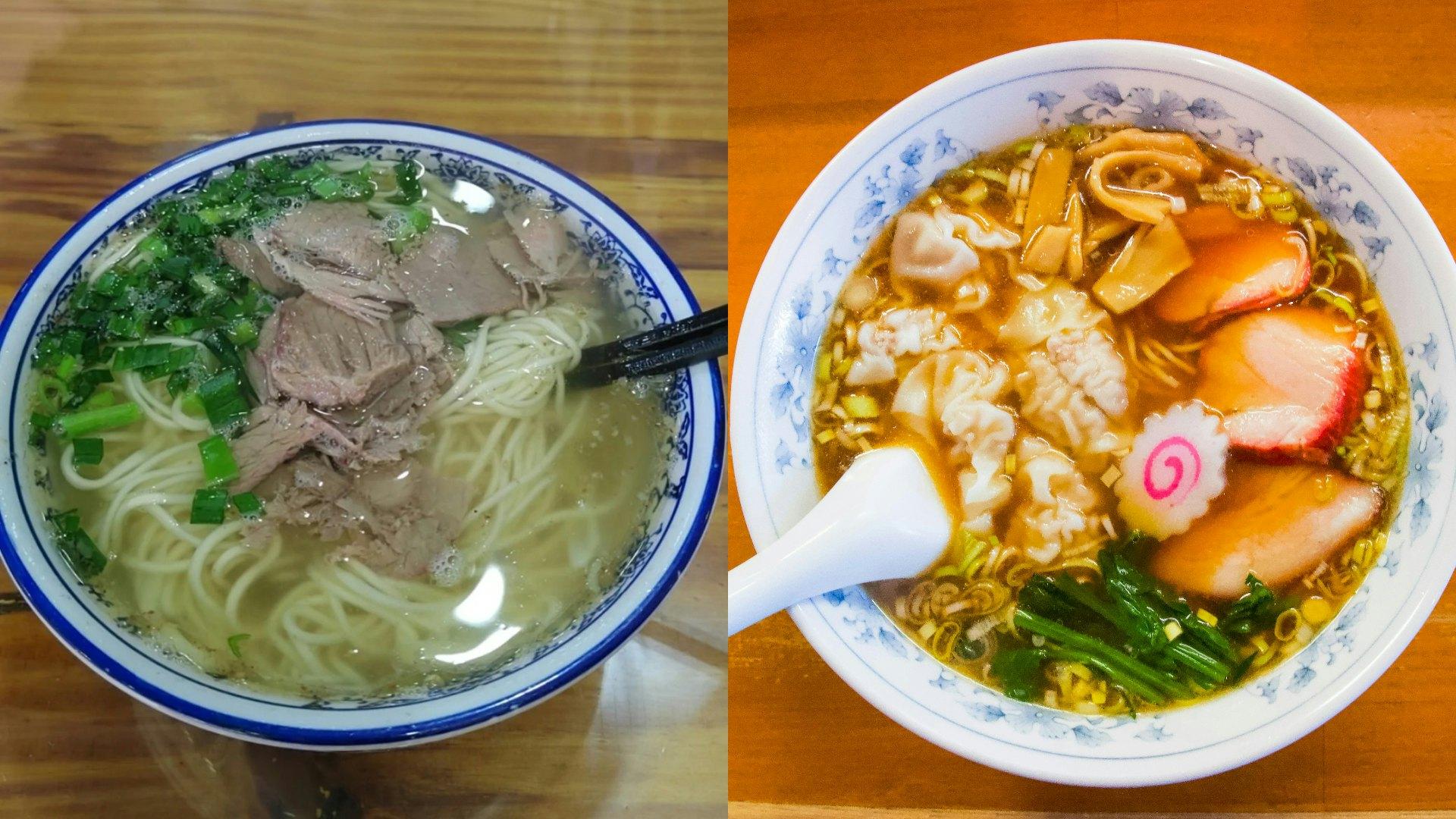
Recently, a post titled "Why do some people think Japanese ramen is tastier than Chinese noodles" appeared on China's social platform Xiaohongshu, sparking heated discussion. The comment section about Chinese and Japanese ramen quickly accumulated more than 700 comments, extending from arguments over taste to issues of cultural identity. The discussion, while not intense, clearly reflected participants' differing standpoints.
The original poster took a very direct stance. They wrote: "Japanese ramen can’t even provide a good portion of vegetables, so what’s so tasty about it? Is it just because the broth is rich? I’ll drink the broth of Lanzhou noodles, but I won’t drink Japanese ramen soup. Does cooking it longer and making the taste richer automatically mean it’s better? That logic feels like saying ‘whoever works later is more dedicated.’" This statement was widely shared, and the controversy nearly all centered around the word "rich broth."
They further questioned the noodles themselves: "Are the (Japanese) noodles tasty? Does using a more expensive flour automatically mean they taste better? As someone from Shanxi who’s eaten noodles for decades, as long as there are no additives, it doesn’t matter if it’s rice noodles, wheat noodles, or buckwheat noodles—the key to good taste is in the preparation. If it’s machine-made, even expensive noodles won’t taste good." In this statement, you can see the emphasis Chinese northerners place on "handmade" and "technique." People from Shanxi speak about noodles with confidence, as the region indeed has a long tradition of noodle making.
He did not deny the value of Japanese ramen: "The existence of Japanese ramen itself isn’t a problem, and people who haven’t tried it can give it a shot. Handmade versions are okay to have once in a while. But just existing doesn’t mean it’s delicious." The real dissatisfaction, in fact, is with "why it’s considered better."
The comment section quickly split into two camps. Some agreed:
"I also don’t like Japanese ramen, it has a gamey (animal) taste."
"Japanese ramen truly isn’t as good as Chinese noodles, it’s too salty, basically just a bundle of salt."
"Greasy and salty."
The so-called "gamey taste" mostly refers to the strong animal fat aroma in ramen made with pork bone broth. For those accustomed to clear broths, that scent can definitely seem heavy-handed.
But others disagreed with such criticism. Some responded:
"Japanese ramen really is salty, but Lanzhou noodles aren’t that great either, and have even less meat."
"The flavors in Lanzhou noodles aren't really integrated; the soup is its own thing and the noodles are their own thing."
"Knife-cut noodles and Lanzhou noodles don’t have much in the way of vegetables either. On the contrary, Japanese ramen often has more toppings and a greater variety of flavors."
Some also said:
"This is a matter of personal taste. I think Japanese ramen tastes better."
"I love Japanese ramen, especially pork bone and soy sauce flavors. Other than the fact that it’s a bit expensive and not very healthy if you eat it a lot, there are basically no downsides."
Others shifted the perspective to the market level:
"In terms of global fame, Japanese ramen is more well-known than any Chinese noodle dish."
"Looking at world market share, that says it all."
The reason why the discussion is interesting isn’t because one side won, but because even though both are called "ramen," the two bowls of noodles actually follow two very different paths.
Many traditional Chinese noodle dishes emphasize "clarity." Lanzhou lamian focuses on a clear broth, where beef bones are simmered to maintain a transparent and clean aroma. Shanxi knife-cut noodles emphasize the texture and chewiness of the noodles themselves, with the broth usually not overshadowing the noodles. Soup and noodles each play their own roles and are not meant to be fully integrated.
They further questioned the noodles themselves: "Are the (Japanese) noodles tasty? Does using a more expensive flour automatically mean they taste better? As someone from Shanxi who’s eaten noodles for decades, as long as there are no additives, it doesn’t matter if it’s rice noodles, wheat noodles, or buckwheat noodles—the key to good taste is in the preparation. If it’s machine-made, even expensive noodles won’t taste good." In this statement, you can see the emphasis Chinese northerners place on "handmade" and "technique." People from Shanxi speak about noodles with confidence, as the region indeed has a long tradition of noodle making.
He did not deny the value of Japanese ramen: "The existence of Japanese ramen itself isn’t a problem, and people who haven’t tried it can give it a shot. Handmade versions are okay to have once in a while. But just existing doesn’t mean it’s delicious." The real dissatisfaction, in fact, is with "why it’s considered better."
The comment section quickly split into two camps. Some agreed:
"I also don’t like Japanese ramen, it has a gamey (animal) taste."
"Japanese ramen truly isn’t as good as Chinese noodles, it’s too salty, basically just a bundle of salt."
"Greasy and salty."
The so-called "gamey taste" mostly refers to the strong animal fat aroma in ramen made with pork bone broth. For those accustomed to clear broths, that scent can definitely seem heavy-handed.
But others disagreed with such criticism. Some responded:
"Japanese ramen really is salty, but Lanzhou noodles aren’t that great either, and have even less meat."
"The flavors in Lanzhou noodles aren't really integrated; the soup is its own thing and the noodles are their own thing."
"Knife-cut noodles and Lanzhou noodles don’t have much in the way of vegetables either. On the contrary, Japanese ramen often has more toppings and a greater variety of flavors."
Some also said:
"This is a matter of personal taste. I think Japanese ramen tastes better."
"I love Japanese ramen, especially pork bone and soy sauce flavors. Other than the fact that it’s a bit expensive and not very healthy if you eat it a lot, there are basically no downsides."
Others shifted the perspective to the market level:
"In terms of global fame, Japanese ramen is more well-known than any Chinese noodle dish."
"Looking at world market share, that says it all."
The reason why the discussion is interesting isn’t because one side won, but because even though both are called "ramen," the two bowls of noodles actually follow two very different paths.
Many traditional Chinese noodle dishes emphasize "clarity." Lanzhou lamian focuses on a clear broth, where beef bones are simmered to maintain a transparent and clean aroma. Shanxi knife-cut noodles emphasize the texture and chewiness of the noodles themselves, with the broth usually not overshadowing the noodles. Soup and noodles each play their own roles and are not meant to be fully integrated.