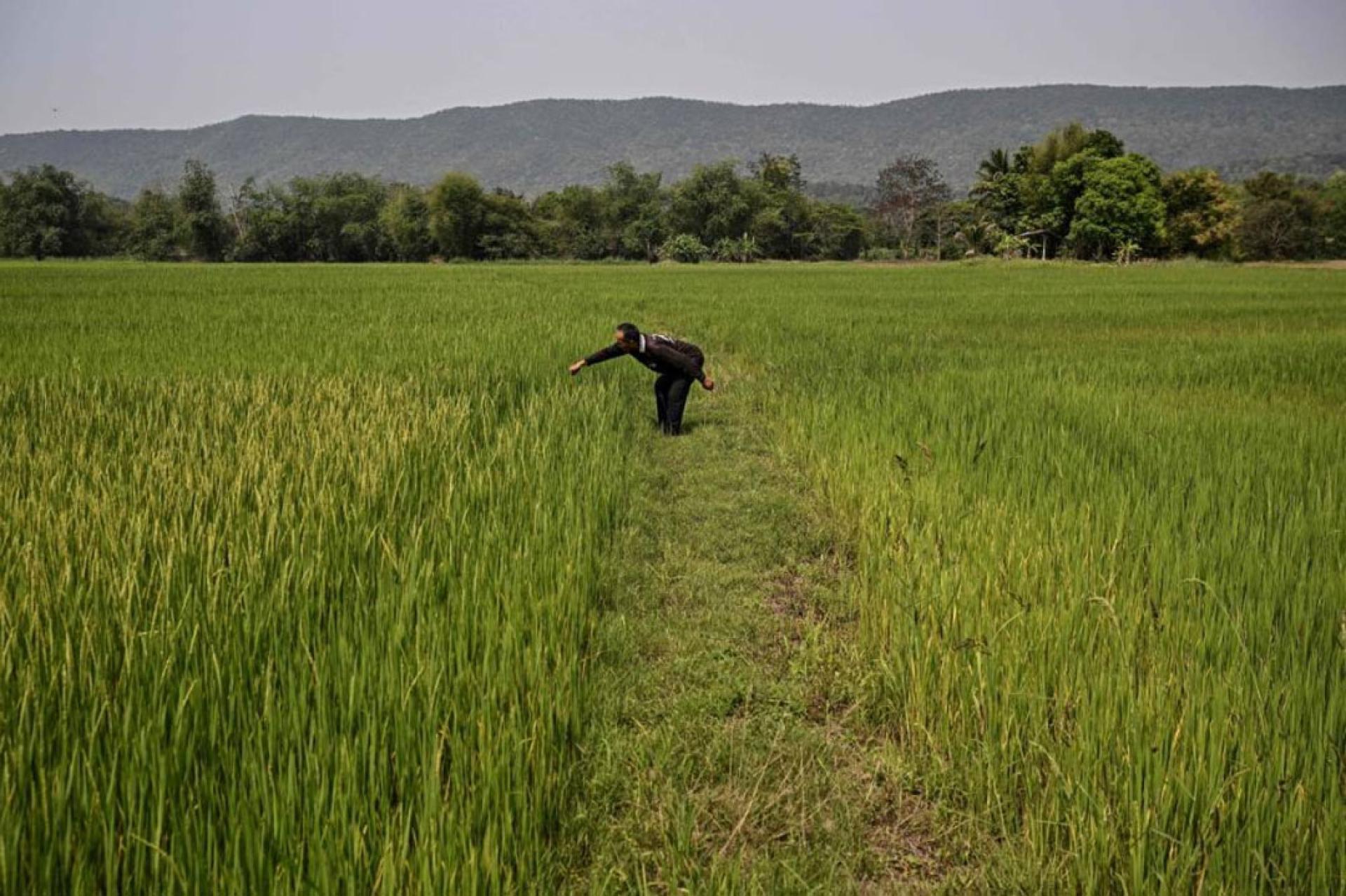
(Bangkok, 19th) Thailand's Deputy Government Spokesperson, Ratchada, revealed on the 18th that the melioidosis outbreak in Thailand this year is showing a worrying trend, with a total of 732 confirmed cases and 23 deaths nationwide from January 1 to April 16.
According to China News Service, Ratchada explained that melioidosis is caused by bacteria present in soil and water. The bacteria can enter the human body through wounds, inhalation of dust, or drinking contaminated water. Symptoms can be acute or chronic and include high fever, difficulty breathing, chest pain, as well as swelling, redness of sores, or abscesses. If the bacteria enter the bloodstream, it may cause serious infection or even death.
High-risk groups include farmers, workers who come into contact with soil and water, and patients with chronic illnesses such as diabetes, kidney disease, thalassemia, or immunocompromised individuals, who are more prone to severe symptoms.
Ratchada stated that the Thai government is urging the public, especially vulnerable groups, to cooperate with government efforts and avoid direct contact with soil and water sources. If necessary, protective equipment such as boots and gloves should be worn.
In addition, anyone experiencing a high fever for more than two days, rapid breathing, or signs of wound infection should seek medical attention immediately. Melioidosis cases can be cured if treated in time; therefore, the government urges the public not to take the disease lightly. Anyone experiencing any abnormal symptoms or having any risk factors should seek medical attention as soon as possible to prevent serious complications.