The impeachment trial of Philippine Vice President Sara Duterte officially began on Monday, with the Philippine police ramping up online patrols and security deployments to strictly prevent online rumors, incitement of violence, or acts disrupting public order.
General Jose Melencio C. Nartates II, Chief of the Philippine National Police, stated that he has ordered the Anti-Cybercrime Group, intelligence units, and police districts nationwide to intensify surveillance of online speeches that could incite violence, attack government institutions, or threaten public officials involved in the case.
He said that spreading false information aimed at inciting violence or undermining democratic institutions has already posed a direct threat to public safety. Therefore, the police are conducting 24/7 online patrols to detect and curb malicious information that misleads the public.
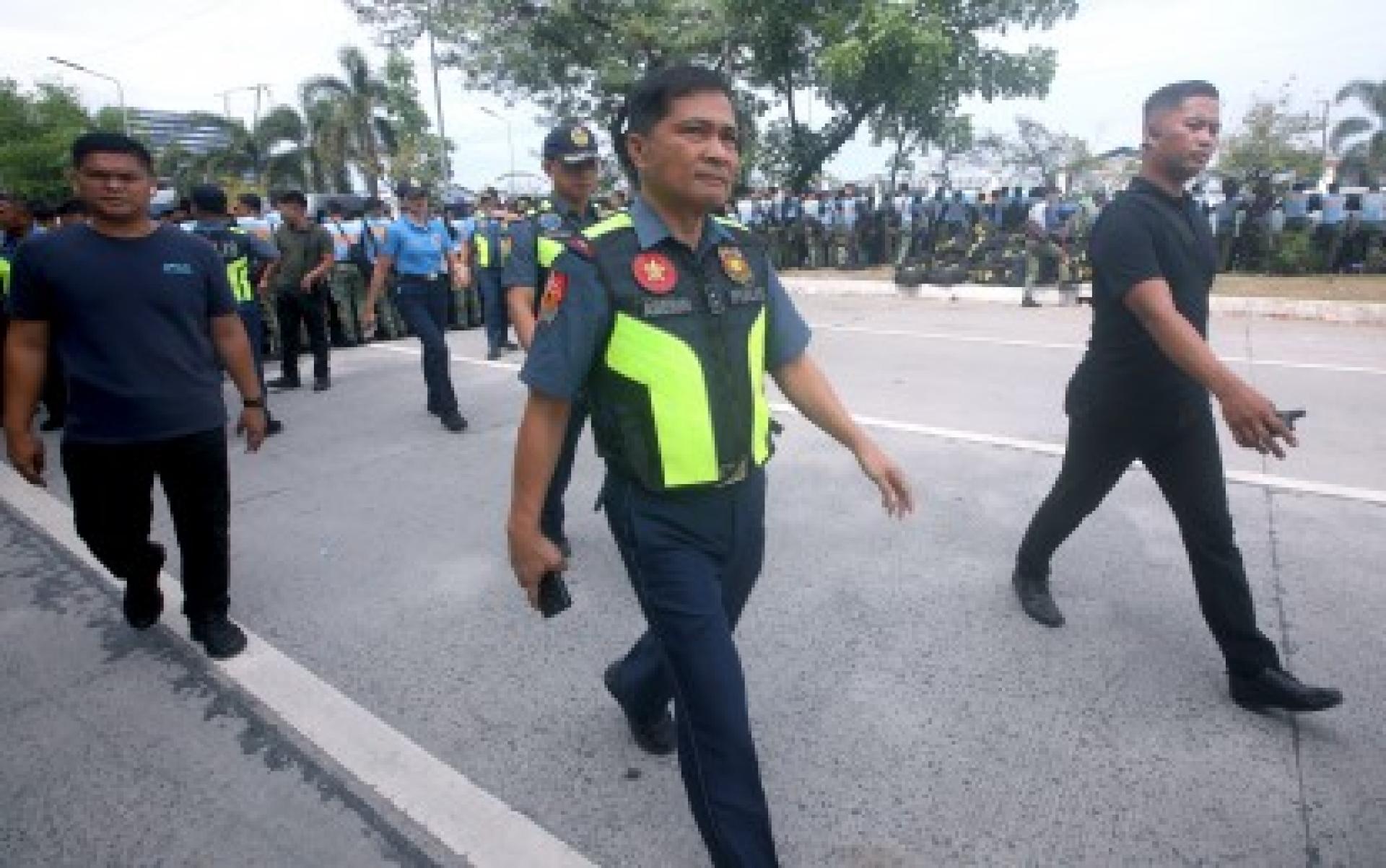
On the same afternoon, the Philippine Senate formally began hearing the Vice President's impeachment case as an impeachment court. Around 6,000 police officers were deployed around the Senate and other key areas to maintain order and handle the anticipated protests.
The police are also enhancing intelligence gathering and closely monitoring any online speech that advocates violence, attacks government institutions, or threatens public officials involved in the impeachment process.
The police have also asked district commanders across the country to promptly verify and clarify viral online rumors to prevent public panic or social disorder.
The police called on the public to improve their ability to discern information and to verify any information regarding the impeachment case through official channels before forwarding, avoiding becoming tools for spreading false news.
Jose Melencio C. Nartates II emphasized that throughout the impeachment proceedings, the police will remain politically neutral, focusing on maintaining social order, safeguarding democratic institutions, and ensuring public safety.
He stated that there is currently no credible security threat sufficient to affect the trial, but the police will maintain high alert, continuously conduct risk assessments, and keep close coordination with the Senate and relevant government agencies.
He also instructed on-duty officers to exercise maximum restraint and professionalism, to respect citizens' constitutional rights to lawful assembly and expression of opinion while maintaining order, and called on all groups to voice their appeals peacefully to ensure the smooth progression of this historic judicial process.
He said that spreading false information aimed at inciting violence or undermining democratic institutions has already posed a direct threat to public safety. Therefore, the police are conducting 24/7 online patrols to detect and curb malicious information that misleads the public.
On the same afternoon, the Philippine Senate formally began hearing the Vice President's impeachment case as an impeachment court. Around 6,000 police officers were deployed around the Senate and other key areas to maintain order and handle the anticipated protests.
The police are also enhancing intelligence gathering and closely monitoring any online speech that advocates violence, attacks government institutions, or threatens public officials involved in the impeachment process.
The police have also asked district commanders across the country to promptly verify and clarify viral online rumors to prevent public panic or social disorder.
The police called on the public to improve their ability to discern information and to verify any information regarding the impeachment case through official channels before forwarding, avoiding becoming tools for spreading false news.
Jose Melencio C. Nartates II emphasized that throughout the impeachment proceedings, the police will remain politically neutral, focusing on maintaining social order, safeguarding democratic institutions, and ensuring public safety.
He stated that there is currently no credible security threat sufficient to affect the trial, but the police will maintain high alert, continuously conduct risk assessments, and keep close coordination with the Senate and relevant government agencies.
He also instructed on-duty officers to exercise maximum restraint and professionalism, to respect citizens' constitutional rights to lawful assembly and expression of opinion while maintaining order, and called on all groups to voice their appeals peacefully to ensure the smooth progression of this historic judicial process.