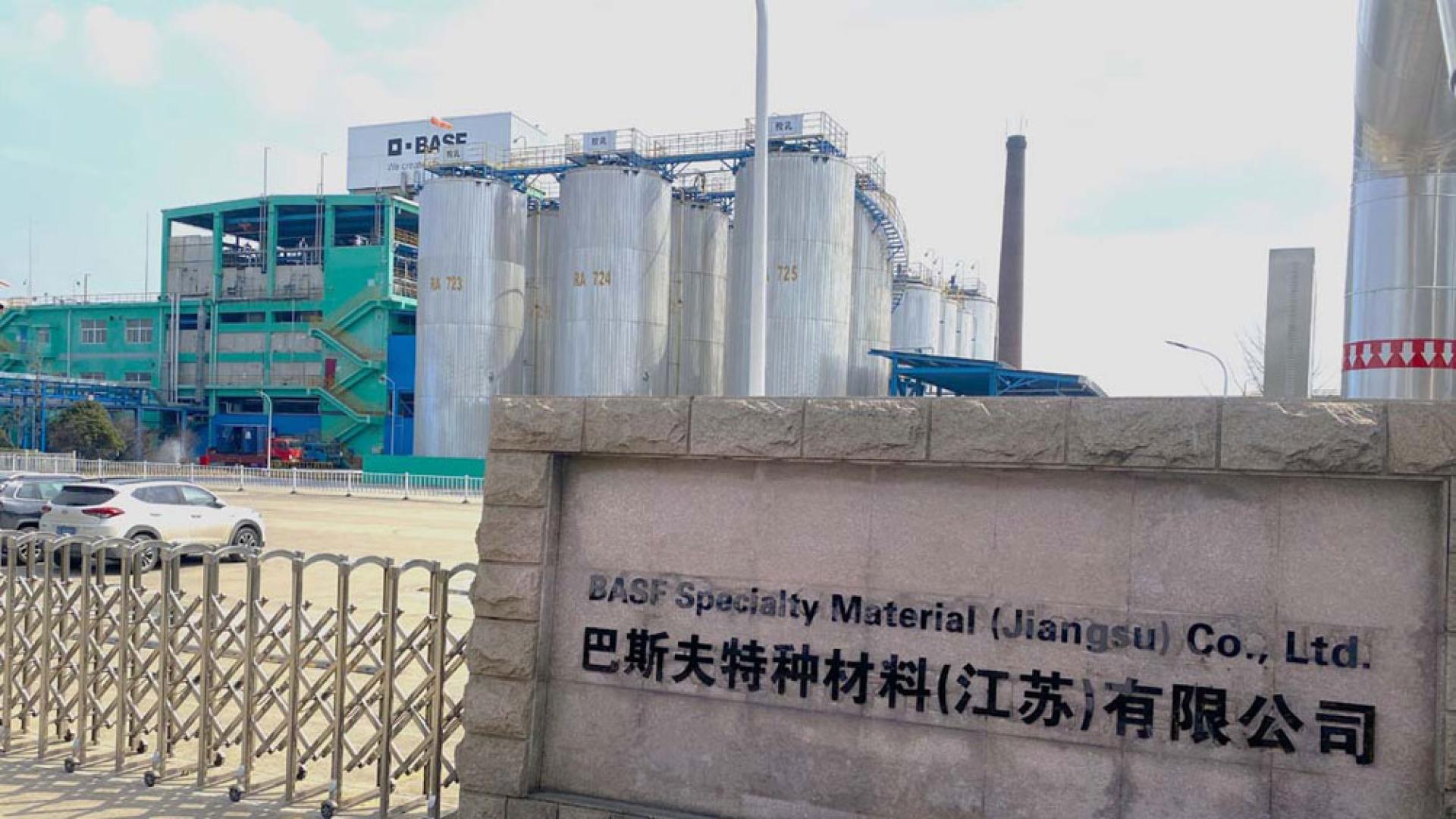
Under the policy of "stabilizing foreign investment," Chinese state media reported that China's National Development and Reform Commission (NDRC) has recently launched a new batch of 13 "landmark major foreign investment projects," with a total value of USD 13.4 billion (RM52.44 billion). Most of these investments remain concentrated in electronics, chemicals, automobiles, electrical machinery, and other manufacturing sectors, and for the first time, the logistics industry has been included.
According to reports from Xinhua News Agency and Jiemian News, these newly selected foreign investment projects are mainly focused in the manufacturing sector, including electronics manufacturing, chemicals, automobiles, electrical machinery, aiming to accelerate and promote the development of industry clusters.
The report states that in addition to manufacturing, the new foreign investment plan also increases support for the services sector, with the logistics industry being included in the list for the first time. Meanwhile, investment plans for R&D centers in fields such as biomedicine continue to be supported, promoting the deep integration of "modern services" and "advanced manufacturing."
According to the report, to date, China’s "landmark major foreign investment projects" have cumulatively completed investment of USD 108 billion (RM422.652 billion). The NDRC said these foreign investment projects have had a “significant demonstrative and driving effect” in attracting investment.
A relevant official from the NDRC stated that they will continue to strengthen the support team dedicated to "major foreign investment projects," make every effort to provide follow-up services, continuously carry out specialized actions to serve foreign-invested enterprises, listen to enterprise demands, and coordinate to resolve practical issues.
China’s Ministry of Commerce previously stated that this year, three key initiatives will be introduced to “polish the golden brand of ‘Invest in China’”: “More targeted activities,” focusing on new tracks such as future industries highlighted by foreign investors and improving the accuracy of engagement; “Better services,” turning corporate demand lists into service lists; and “Better platforms,” enhancing the capabilities of open platforms such as pilot free trade zones and economic development zones.