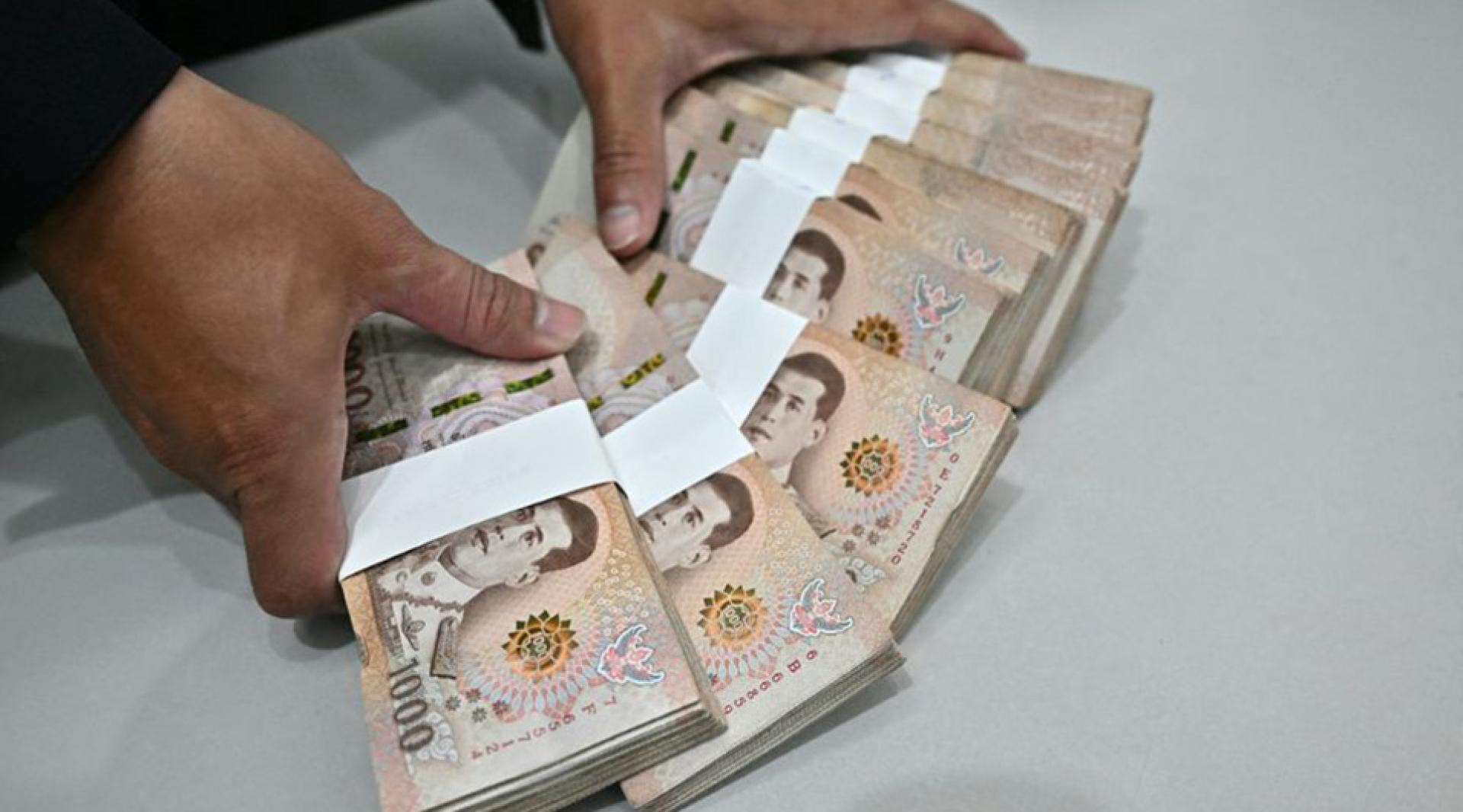
According to data released by the Bank of Thailand on the 15th, the baht once rose to 31.523 baht against the US dollar, hitting its highest level since June 2021.
China News Service reported that since the beginning of this year, the baht has appreciated by more than 8%. On the 15th, Thailand’s caretaker government Finance Minister Ekniti Nitithanprapas stated that the baht’s rise to its highest level in nearly four and a half years could negatively impact exports and the overall economy. The government will require state-owned enterprises and relevant agencies to accelerate import processes.
The Bangkok Post’s analysis pointed out that the sustained strengthening of the baht is increasing policy pressure on the Bank of Thailand ahead of this Wednesday’s upcoming monetary policy meeting, and the market generally expects the Bank of Thailand to signal further easing.
Meanwhile, the new round of US tariff measures is adding to the burden on Thai export enterprises. Although Thai authorities have to some extent curbed capital flows from gold trading that affect the exchange rate, increased foreign exchange income from service trade brought by the tourism peak season continues to support the baht’s exchange rate.
Ekniti noted that, as the economy still relies heavily on exports, excessive appreciation of the baht could become a significant drag on economic growth. Judging from the current economic structure and stage of development, the Thai economy is not yet fully prepared to withstand a sustained strengthening of its currency.